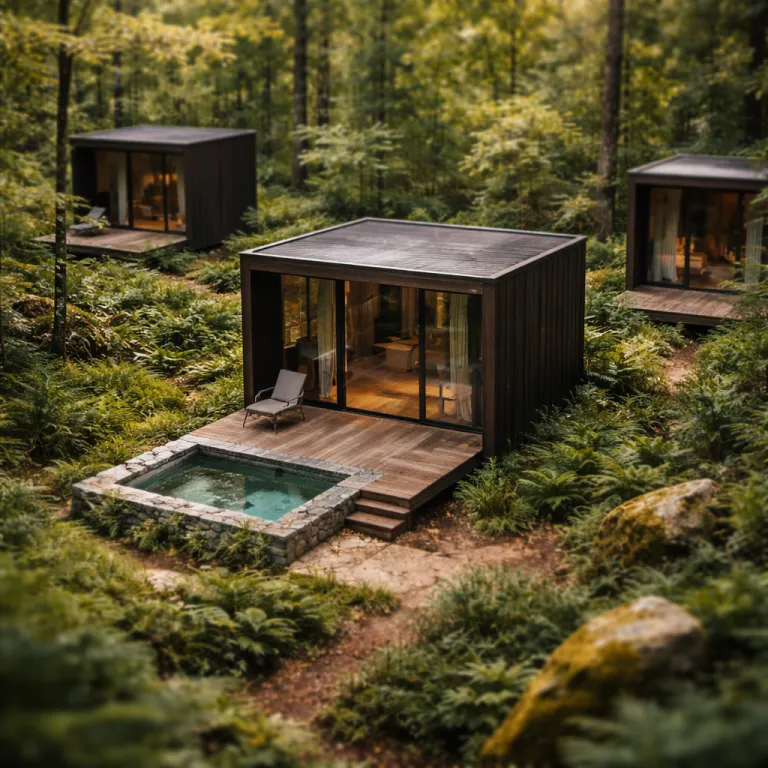
Hushpitality: Why Travelers Pay More for Quiet Hotels and Premium Minimalism
Hushpitality describes a new wave of quiet hotels and pared‑back stays where guests willingly pay for less noise, fewer distractions, and a calmer overall experience. Instead of flashy lobbies and endless amenities, these properties focus on silence, simplicity, and premium minimalism. The idea is that in an always‑on world, true luxury is the ability to switch off completely, even if that means paying for less rather than more.
At its core, hushpitality is about designing spaces that protect rest. Many hotels now advertise soundproof rooms, tech‑free floors, and limited occupancy to keep things peaceful. A 2023 survey from the American Hotel & Lodging Association reported that more than half of business travelers rank a quiet room as a top priority, ahead of gym access or on‑site dining. In response, brands from budget chains to boutique retreats are experimenting with quieter layouts, softer materials, and policies that reduce hallway chatter and late‑night noise.
Travelers who seek hushpitality are often exhausted by constant notifications, crowded lobbies, and loud bars under their windows. They want quiet hotels that feel like private sanctuaries, even in busy cities. As one frequent traveler, “Lena, a product designer from Berlin,” explains, “I used to choose hotels for the rooftop bar. Now I choose the place where I can actually sleep. I’m happy paying for less if it means no noise and no pressure to be social.” Her comment captures the shift from visible luxury to invisible comfort.
Several well‑known brands have started to lean into this trend. For example, Marriott’s AC Hotels emphasize uncluttered rooms and subdued public spaces, while citizenM focuses on compact, quiet rooms with high‑quality beds and blackout blinds instead of sprawling suites. Smaller boutique properties, such as the C.O.Q. Hotel in Paris or the Zoku hotels in Amsterdam and Copenhagen, highlight calm interiors, soft lighting, and limited in‑room gadgets. These hotels are not completely bare, but they practice a form of premium minimalism that strips away anything that might disturb rest.
Hushpitality also shows up in the way rooms are priced and packaged. Some properties now offer “silent floors” or “no‑kids zones” at a higher nightly rate, promising stricter noise rules and fewer neighboring guests. Others charge extra for rooms that face inner courtyards instead of busy streets, or for suites with enhanced sound insulation. In many cases, travelers are effectively paying for less exposure to noise, crowds, and clutter. This is a clear example of paying for less: fewer amenities, fewer people, and fewer interruptions, but a higher sense of control over the environment.
Data suggests that this willingness to pay more for quiet is not just a niche preference. A study by J.D. Power on hotel guest satisfaction has repeatedly found that noise levels are one of the most common complaints, and that guests who report a quiet stay are significantly more likely to return. In dense urban destinations like New York, London, or Tokyo, hotels that market themselves as quiet retreats often command a noticeable price premium compared with similar properties on the same block. Guests are not only buying a bed; they are buying the promise of uninterrupted sleep.
Typical hushpitality offerings range from simple city hotels with strong soundproofing to remote wellness retreats that ban phones in public areas. Nightly rates can vary widely, but the pattern is consistent: the quieter and more minimal the experience, the more it tends to cost. A standard business hotel might charge a moderate rate for a basic room, while a smaller, quieter property with fewer rooms and limited facilities can charge significantly more per night. The higher price reflects both the cost of better materials and the value guests place on silence.
For travelers, the appeal of hushpitality lies in the feeling of mental space. Quiet hotels with clean lines, neutral colors, and minimal decor can make a small room feel more restful than a larger, cluttered suite. By removing unnecessary furniture, loud entertainment systems, and constant background music, these spaces encourage guests to slow down. This is premium minimalism in practice: every remaining detail, from the mattress to the curtains, is chosen to support rest rather than stimulation.
Critics sometimes argue that paying for less is just clever marketing, but the demand for hushpitality appears to be grounded in real needs. Frequent travelers face jet lag, irregular schedules, and the stress of constant movement. For them, a quiet, well‑designed room can be more valuable than a long list of amenities they will never use. When a hotel invests in thicker walls, better doors, and thoughtful layouts, guests notice the difference, even if they cannot see the upgrades directly.
In the end, hushpitality reflects a broader shift in how people define luxury. Instead of equating value with size and spectacle, many travelers now associate it with calm, privacy, and control over their environment. Quiet hotels that embrace premium minimalism show that less can genuinely feel like more. As the travel industry continues to evolve, paying for less noise and fewer distractions is likely to remain a powerful draw for guests who see silence as the ultimate indulgence.