When sustainable luxury becomes more than a label
Luxury travelers now see sustainable promises on almost every hotel website. Many luxury hotels talk about sustainability and environmental credentials, yet only a fraction can show measurable change with clear data. Families planning a resort stay need to separate marketing gloss from sustainable luxury that genuinely improves their experience.
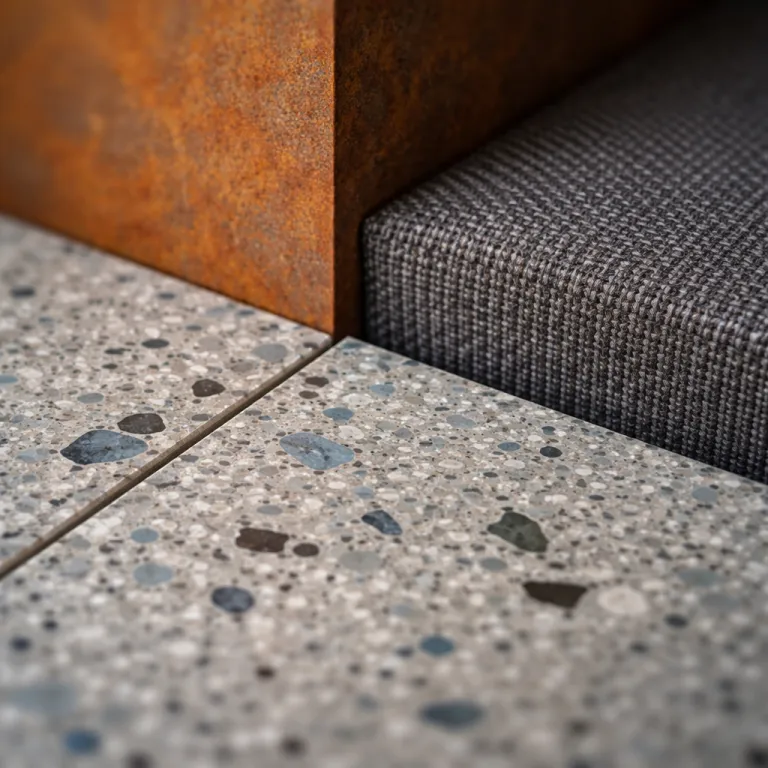
Across the industry, designers now describe eco conscious and environmentally responsible design as basic expectations rather than a niche trend. Natural materials such as responsibly sourced timber, stone, and organic fabrics are replacing synthetics in many hotels and resorts, which creates calmer rooms and healthier air for children. Energy efficient lighting, low VOC paints, and natural fiber carpets are becoming standard in each new luxury hotel build, especially in ambitious projects in Saudi Arabia and on every private island resort that wants long term relevance.
Research on sustainable hotels shows that travelers increasingly reward properties that can prove their impact. The 2023 Booking.com Sustainable Travel Report, for example, reported that around seventy per cent of global travelers want to book eco certified or environmentally friendly accommodations, which explains why so many hotels and resorts now highlight their sustainability practices. The challenge for any family is to learn which luxury hospitality brands are quietly doing the work and which luxury brand stories are mostly about a beautiful beach view and very little about a reduced carbon footprint backed by evidence.
How to read between the lines of sustainability claims
Marketing language around sustainable luxury hotels often sounds similar, whether the property is truly transformative or simply repainting old habits. A credible luxury hotel will publish specific sustainability practices such as energy use per guest night, water savings in cubic metres, and waste diversion percentages, rather than vague green slogans. When a hotel or resort shares hard numbers and explains how those metrics improve the guest experience, you are usually looking at the best kind of sustainable luxury.
Certifications can help, but they are not the whole story for families comparing luxury hotels. Independent eco certifications and green building labels show that a hotel has met defined standards, yet some luxury hospitality groups treat them as a one time project rather than a living framework. Industry analyses, including reports from the Global Sustainable Tourism Council (GSTC), indicate that the number of accommodations following recognised sustainable tourism criteria has more than doubled since 2010, so parents should still ask how a view hotel maintains those standards year after year.
Look for signs that sustainability is integrated into daily hospitality rather than hidden in a report. Staff who can confidently explain local sourcing, recycling systems, and carbon footprint reductions usually reflect deeper training and culture. For a curated overview of premium platforms that take this seriously, our guide to the best premium hotel websites for luxury travel is a useful starting point when you want a luxury brand that treats sustainability as part of service, not a side project.
Where sustainable luxury hotels are setting a new benchmark
Some properties now prove that sustainable hotels can deliver the best luxury without compromise. Rosewood Amaala on the Red Sea in Saudi Arabia is being developed within the wider Amaala destination, which project documentation describes as targeting one hundred per cent renewable energy and net positive conservation outcomes. According to the developer, The Red Sea Global, the goal is to operate with zero single use plastics and to send no waste to landfill, so families staying there can expect a refined resort experience with a dramatic sea view, while knowing that behind the scenes every kilowatt and litre of water is being carefully monitored.
Elsewhere, Soneva Fushi in the Maldives shows how a private island can combine a castaway fantasy with rigorous sustainability practices. The resort’s publicly available sustainability reports describe “Waste to Wealth” initiatives, on site glass recycling at the Soneva Art & Glass studio, and a long term target of sending almost zero waste to landfill. Villas use natural materials such as reclaimed wood and thatch, menus lean on local produce and plant forward dishes, and the resort invests in on site waste management to shrink its carbon footprint. Parents will notice that children move barefoot between beach, garden, and villa, learning informally how eco conscious choices can feel like freedom rather than restriction.
On land, 1 Hotels in North America, Bardessono Hotel & Spa in Napa Valley, The Scarlet Hotel in Cornwall, and The Palms Hotel & Spa in Miami Beach all demonstrate different interpretations of environmentally friendly luxury hotels. Public disclosures from these brands highlight measures such as sourcing one hundred per cent renewable electricity in certain properties, achieving high waste diversion rates, and designing buildings to LEED or equivalent green building standards. Each hotel or resort uses design to frame the surrounding landscape, whether that is a rugged coastline, vineyard view, or tropical beach. For practical booking strategies that align these examples with your own trip, our guide on how to book five star hotels online for a luxury stay worldwide explains how to filter for sustainability without sacrificing comfort.
What sustainable design actually feels like for families
For parents, the question is simple; does sustainability make the stay better for the family. In the best luxury hotels, eco conscious design translates into quieter rooms, softer light, and cleaner air, which matters when you are settling a child after a long flight. Natural materials underfoot and in furniture reduce off gassing, while generous glazing gives a view that connects children to the beach, forest, or city outside.
Thoughtful resorts use sustainability to shape daily rituals rather than impose rules. Breakfast might feature local fruit, honey, and bread, so children learn the flavours of the region while the hotel supports nearby farmers and reduces transport emissions. Pools may be filtered with low chemical systems, gardens irrigated with treated greywater, and kids clubs designed around nature based play, which together create a subtle lesson in environmentally conscious living.
Families often worry that sustainable hotels will feel worthy but uncomfortable. In reality, the best luxury properties use sustainability to refine hospitality, from quieter air conditioning to better acoustic insulation and more intuitive lighting controls. When a view hotel frames sunrise over a bay or a private island lagoon through well placed windows, you are experiencing design that respects both the landscape and your sleep cycle.
Planning a sustainable luxury stay with children
Choosing sustainable luxury hotels as a family starts with a few focused questions. Ask each hotel how it measures its carbon footprint, how much energy comes from renewable sources, and which local community projects it supports. The most responsive hotels will answer clearly, share specific numbers, and invite you to learn more during your stay.
Location still matters, whether you are considering Costa Rica, Saudi Arabia, or a Mediterranean island. A beach resort with strong public transport links or efficient transfers will usually create fewer emissions than a remote property that requires multiple private flights. When you compare hotels and resorts, weigh the romance of a private island against the environmental cost of reaching it, and look for properties that offset this with serious sustainability practices and transparent reporting.
Families who care about sustainable luxury should also think about timing and length of stay. Fewer, longer trips generally reduce overall impact compared with many short breaks, especially when you choose a luxury hotel that invests in long term sustainability. For inspiration on future openings that aim to balance luxury hospitality with eco conscious design, our preview of the hotels worth booking before they open highlights projects where sustainability is embedded from the first sketch.
FAQ about sustainable luxury hotels for families
What defines a sustainable luxury hotel for a family stay ?
Industry definitions of sustainable luxury hotels generally describe properties that combine high end amenities with environmentally responsible practices. For families, that means a hotel or resort that offers generous space, attentive hospitality, and child friendly services while reducing environmental impact through energy efficiency, water conservation, and responsible sourcing. You should feel the same level of comfort as in any best luxury property, with the added reassurance that your stay supports local communities and long term sustainability.
Why should families choose sustainable luxury hotels instead of standard options ?
Surveys from major travel platforms consistently show that many travelers now prefer sustainable luxury hotels so they can enjoy comfort while minimizing environmental impact. For parents, there is an extra layer; these hotels often provide healthier indoor environments, more nature focused activities, and meaningful local experiences for children. You are not only reducing your carbon footprint but also giving your family a richer, more grounded view of each destination.
How can I identify genuinely sustainable hotels when booking online ?
To identify genuinely sustainable luxury hotels, start by checking for recognised eco certifications and published sustainability initiatives on the hotel’s website. In practice, combine this with your own checks on disclosed data, such as energy use per guest night, waste reduction targets, and community partnerships. When a luxury brand shares detailed sustainability reports, links to independent audits, and integrates eco conscious design into every aspect of the hotel, you can be more confident that the commitment is real.
Do sustainability certifications really matter in luxury hospitality ?
Certifications are useful because they show that a hotel has met independent standards for sustainability. However, in luxury hospitality they should be a starting point rather than the final word, especially for families investing in a major trip. Focus on how recently the certification was awarded, how often it is renewed, and whether the hotel can explain in simple terms what has changed for guests and for the local environment.
Are eco friendly luxury resorts comfortable for children and multi generation trips ?
Well designed sustainable hotels are often more comfortable for children and grandparents than traditional properties. Features such as natural materials, better air quality, and quieter mechanical systems can make sleep easier for every age group. When combined with thoughtful family services, beach access, and engaging local activities, sustainable luxury becomes an asset rather than a compromise for multi generation travel.