Italy’s new golden age of luxury hotels
Italy has quietly become the reference point for high-end hospitality, reshaping how serious travelers think about a perfect night. The surge of new openings across the country is not just a development boom; it is a strategic convergence of heritage buildings, regulatory opportunity, and a new generation of guests who want design hotels that feel deeply rooted rather than generically plush. For anyone tracking the evolution of luxury hotels in Italy toward 2026 as a trend, the country now functions as a global laboratory for what refined hospitality will look like next.
Rome sits at the center of this shift, with the forthcoming Orient Express La Minerva in Piazza della Minerva showing how a 17th century palazzo can become a contemporary hotel without losing its soul. Announced by Accor and Orient Express with an expected opening around 2025 and an intimate room count reportedly under 100 keys, the project illustrates how careful restoration can replace demolition as the new luxury language. When you walk into this kind of hotel in Rome, the elegant proportions, the Italian art, and the carefully lit rooms and suites make it clear that preservation, not erasure, is the guiding principle. According to early previews shared by Accor and Orient Express, the project is part of a broader strategy in which the brand uses architectural renovation, cultural integration, and collaborations with designers such as Hugo Toro, Dimorestudio, and Maxime d’Angeac to turn historic properties into fully fledged luxury hotels.
Travelers focused on Italy’s next wave of luxury openings should understand that regulations in many Italian cities often favor restoration of existing structures over speculative new builds. In Rome, for example, heritage protections and zoning rules make it easier to secure approvals for adaptive reuse than for entirely new towers in the historic center, while regions such as Lombardy and Veneto have also tightened controls on large-scale greenfield projects. That means more grand hotel conversions in Rome, Milan, and Venice, and fewer anonymous glass towers that could be anywhere. For you as a guest, this translates into hotel nights where every corridor, every spa, every fine dining room, and even the smallest villa-style retreat carries a sense of place that feels distinctly Italian rather than a generic international template.
The heritage advantage is not just aesthetic; it is economic and experiential. Restoring a palazzo into a hotel in Rome can unlock planning approvals and, in some cases, local tax abatements or incentives for safeguarding cultural assets, while also allowing owners to command higher rates for rooms and suites that feel genuinely one of a kind. JLL’s most recent European Hotel Investment Outlook and STR pipeline data both highlight Italy as one of the leading markets for luxury and upper-upscale conversions, with historic properties representing a growing share of new keys. When you check availability for these hotels, you are not just paying for a bed for the night, you are paying for access to a building that has survived empires, wars, and fashions, and now hosts a hotel spa or a romantic rooftop bar instead of a private salon. This is why Italy’s grand hotel conversions are increasingly seen by investors as lower risk and by travelers as higher value, even once taxes, fees, and service charges are added to the final bill.
From Rome to Lake Como: how regions shape luxury strategies
Different regions of Italy are attracting different types of luxury hotels, and that regional nuance is exactly what makes the country’s high-end landscape toward 2026 so compelling. Rome and its historic center remain the stage for urban palaces, where a hotel Rome address near the Pantheon or the Spanish Steps still signals power and history in equal measure. Here, brands lean into marble lobbies, fine dining restaurants, and hotel spa concepts that allow guests to move from archaeological site to steam room in a single afternoon.
By contrast, Lake Como has become the emblem of the Italian resort retreat, where the landscape dictates the rhythm of each night rather than the city. Around Lake Como, historic villa properties such as Grand Hotel Villa Serbelloni, Passalacqua, and other grand hotel estates show how hotels lake side can balance privacy, service, and spectacle without feeling overprogrammed. TravelPlusStyle and Robb Report have both highlighted the lake as one of Europe’s most dynamic luxury resort clusters, with several new openings and reimagined villas scheduled through 2025. When you check availability for a villa or resort on Lake Como, you are effectively choosing between different interpretations of the same dream: a romantic Italian lake, a spa hidden in stone vaults, and terraces where fine dining unfolds over several slow courses.
Como and the wider Lake Como region are also where design hotels and heritage properties now coexist in a surprisingly coherent way. New openings, including international names and Italian-owned hotels, are using local stone, artisan textiles, and low-rise architecture to ensure that even contemporary resorts feel like they belong to the lake rather than sit above it. As one Milan-based architect recently noted in an interview about lakeside projects, “If the building competes with the view, we have failed.” For travelers used to the glass and steel skyline of other capitals, this combination of villa intimacy, hotel spa sophistication, and Lake Como drama can feel like a reset of what a resort stay should be.
Urban centers such as Milan play a different role in the luxury story, acting as gateways where guests arrive for fashion, design, and business before heading to resorts or villas elsewhere. STR performance data consistently shows Milan among Italy’s strongest markets for average daily rate in the upper-upscale segment, underlining its role as a commercial and cultural hub. A night in a central hotel with an elegant bar and Italian design details can be the perfect prelude to a longer retreat on the coast or at the lake. If you are planning a multi stop itinerary, it is worth reading a refined guide to the best hotels in Athens and other Mediterranean capitals, then comparing how hotels in Milan and Rome now compete on design, service, and authenticity rather than just star ratings.
Hyper localization and the new definition of Italian luxury
The most important shift within Italy’s luxury hotel scene toward 2026 is the move from generic opulence to hyper localized, Italy authentic experiences. Properties from Rome to Como are no longer content to import a global design language; instead, they commission local artisans, source regional materials, and build menus that read like love letters to their specific province. For travelers, this means that every hotel night becomes a short course in Italian culture rather than a pause between flights.
In Rome, the Orient Express La Minerva project shows how this works in practice, with Hugo Toro’s interiors reportedly weaving contemporary lines through frescoed ceilings and centuries old stone. The hotel sits within a broader Orient Express ecosystem that includes La Dolce Vita Orient Express, a luxury train journey across Italy that has been announced with multiple routes and a planned launch in the coming years, and it proves that a property can be both a design statement and a cultural archive. As the brand explains in its own communications, questions such as “What is Orient Express La Minerva?”, “What is La Dolce Vita Orient Express?”, and “Who designed Orient Express La Minerva?” now shape how travelers evaluate authenticity as much as comfort.
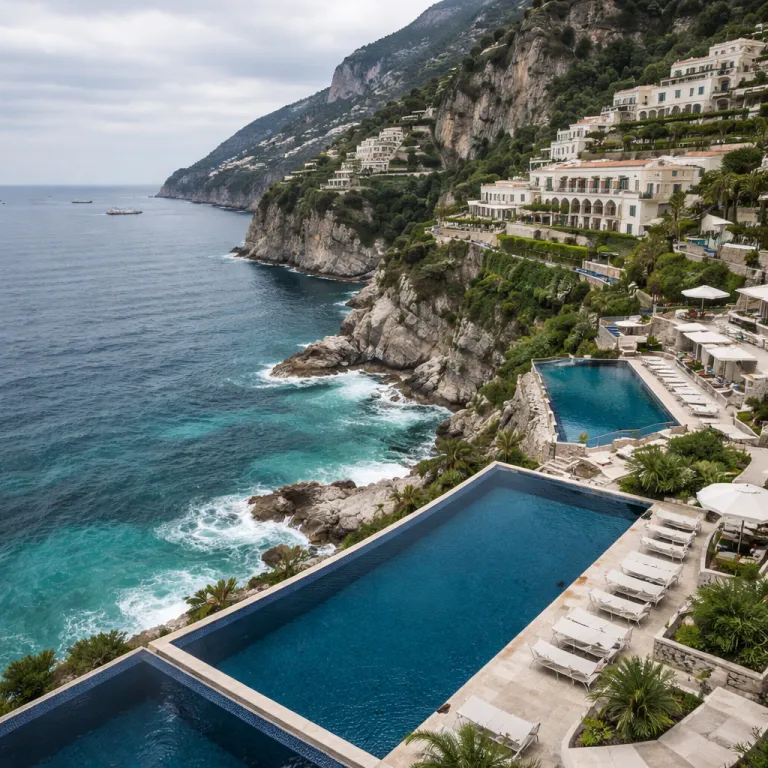
Elsewhere, brands such as Mandarin Oriental and Belmond are refining their Italian strategies by leaning into hyper specific narratives. A Belmond hotel on the Amalfi Coast will frame itself as a cliffside retreat with citrus groves and sea facing rooms and suites, while another Belmond property near a lake or in the countryside might emphasize vineyards, spa rituals, and slow travel. Mandarin Oriental, whether in Milan or in alpine settings, tends to pair sharp contemporary design with deep spa programs, showing that a hotel spa can be both a wellness engine and a cultural bridge through treatments inspired by Italian botanicals.
For solo travelers comparing luxury hotels across continents, it is useful to benchmark Italy’s hyper localized approach against other hubs. Tokyo’s most interesting luxury properties, for example, are also moving toward neighborhood specific narratives, as seen in several of the best hotels Tokyo offers for luxury stays, yet the Italian model remains more deeply tied to heritage architecture and landscape. When you check availability for hotels in Rome, Como, or Venice, pay attention to how often the property talks about local artisans, regional ingredients, and restoration methods; those details usually predict whether your stay will feel like a true retreat or just another expensive night.
Pricing transparency, design depth, and how to book intelligently
As Italy’s top-tier hotels attract more global attention, pricing structures are becoming more complex, and travelers need to read the fine print carefully. Room rates in leading hotels and resorts often exclude local taxes and municipal fees, which can add a noticeable percentage to the final bill. Before you confirm a night in a grand hotel, always check availability with a clear breakdown of taxes, fees, service charges, and any resort fees that might apply to spa access or parking.
Design forward hotels in Rome, Milan, and lake destinations increasingly use tiered pricing for rooms and suites, where the difference between entry level and premium categories is not just size but orientation, terrace access, and proximity to key amenities. A Lake Como facing suite in a villa or a Belmond hotel will command a significant premium over a courtyard room, yet for many guests the view and the sense of retreat justify the extra cost. When you evaluate offers, think in terms of cost per meaningful hour rather than cost per night, and consider whether the hotel spa, fine dining options, and location will actually shape your days.
Transparency also extends to how hotels communicate their design and service philosophy. Properties that clearly explain their restoration approach, their Italian sourcing, and their environmental policies tend to deliver more coherent experiences, whether they are urban hotels in the capital or lakeside retreats in Como. If a hotel in Rome or on Lake Como cannot articulate why its design choices matter, you may be paying for aesthetics without substance, which is the opposite of what Italy authentic hospitality should feel like.
For independent travelers using a curated booking platform, the smartest strategy is to combine deep editorial insight with precise filters. A site that reviews both a refined coastal property in California, such as a smart coastal stay in Wilmington, and the most characterful hotels lake side in Italy, will usually have the editorial discipline to separate marketing gloss from genuine quality. Use that kind of guidance to compare a villa on Lake Como, a design focused hotel spa in Milan, and a romantic retreat in Rome, then book the property whose story, not just its photos, aligns with the memories you want to bring home.
Key figures shaping Italy’s luxury hotel future
- Industry trackers such as TravelPlusStyle and Robb Report consistently identify Italy as one of the most active markets for high end hotel launches in the current cycle, with a particularly strong pipeline of luxury openings highlighted in their annual “best new hotels” lists.
- Orient Express La Minerva in Rome is being developed as a relatively intimate property, designed to offer personalized service while still operating as a full service luxury hotel with spa and dining; early announcements suggest a sub-100-room configuration, though final room count and layout may evolve as the project approaches opening.
- The La Dolce Vita Orient Express train network has been announced as a multi route project that will connect dozens of Italian cities and regions by rail; early company materials describe an ambition to turn the entire country into an extended luxury resort accessible by train, though precise route length, carriage count, and city list may change before launch.
- Key Italian destinations such as Lake Como, Venice, Cortina, and Puglia are seeing parallel growth, with each region attracting different brand strategies, from lakefront villas to alpine retreats and coastal resorts, as noted in recent JLL and STR market summaries.
- Historic conversions now account for a significant share of new luxury hotels in Rome and other major cities, reflecting a policy and investment preference for restoration of heritage buildings over new construction, a trend underlined in multiple recent European hotel investment reports.