The quiet power of pre arrival in luxury hospitality
The most memorable luxury hotel guest experience often begins weeks before arrival. In the upper tier of the hospitality industry, the way a hotel uses that time reveals more about its service philosophy than any marble lobby or star hotels rating. For a business leisure traveler, those early touches can make guests feel instantly anchored, rested, and ready to switch from meetings to meaningful experiences.
Across leading luxury hotels and hotels resorts, the pre arrival sequence is now treated as a core part of the guest experience rather than an administrative step. Properties use advanced booking systems and guest preference databases to translate raw guest data into human centric personalization, from pillow types to minibar contents and even the exact room temperature that helps a luxury guest sleep after a long flight. Marriott International has noted in internal surveys that guests who complete pre arrival forms report higher satisfaction scores, underscoring how this stage quietly shapes perceptions of value and care.
For travelers booking through a premium platform, this means the first email or call from the hotel will already feel tailored, not templated. The front desk team and concierge review guest preferences and past feedback before they ever say “welcome”, which allows them to offer personalized service without asking the same questions twice. When this pre arrival choreography works, the hotel guest steps out of the car and into a room that feels intuitively right, and guest satisfaction starts high before the key card even touches the door.
How Aman, Four Seasons and Rosewood design pre arrival excellence
At the very top of luxury hospitality, brands like Aman, Four Seasons, and Rosewood treat pre arrival as a design discipline. Their teams map the entire guest journey from the booking page to the first night’s sleep, then engineer each contact point so guests feel both anticipated and at ease. The result is a luxury hotel guest experience where nothing appears scripted, yet everything has been rehearsed behind the scenes.
Four Seasons properties typically send a detailed pre arrival form that goes far beyond estimated arrival time and airport transfer details. For example, Four Seasons Resort Maui at Wailea invites guests to share dietary needs, wellness routines, children’s ages, and even preferred coffee style, then uses that information to shape guest experiences that feel naturally aligned with daily life rather than staged. In a 2023 brand report, Four Seasons highlighted that guests who complete these forms are more likely to describe their stay as “effortless” and “personal”. When a hotel uses this level of personalization, the room becomes a continuation of home, not a generic space with expensive finishes.
Aman leans into a strong sense of place, often coordinating with local partners to arrange sunrise hikes, private temple visits, or low key market walks before the guest even lands. One Aman general manager has described pre arrival planning as “quiet choreography that lets the landscape speak first”. Rosewood, especially in its urban hotels, focuses on business friendly touches such as pre stocked meeting amenities in the room and flexible check in windows that respect long haul arrivals. For travelers considering curated journeys across Europe, thoughtfully designed luxury hotel packages can extend this pre arrival care across several properties, keeping the same high bar of service from city to coast.
Anticipatory service versus intrusion in the luxury hotel guest experience
There is a fine line between anticipatory service and intrusive behavior, and the best luxury hotels know exactly where it lies. In a refined luxury hotel guest experience, staff use technology and guest data to remove friction, not to perform clever tricks that make guests feel watched. The goal is for guests to feel understood, never monitored.
At properties such as The Ritz Carlton or leading Asian hotels resorts, anticipatory service starts with listening rather than guessing. A single comment at the front desk about an early conference call might quietly trigger a light breakfast tray, a perfectly timed wake up call, and a slightly cooler room to support better sleep. For a frequent hotel guest, this kind of personalized service respects privacy while still exceeding guest expectations in ways that feel almost telepathic.
Business travelers are particularly sensitive to this balance because their time and attention are already fragmented. They value luxury hospitality that uses technology discreetly, such as pre set lighting scenes or app free check in, instead of constant notifications and upsell messages. A simple micro case illustrates the point: one executive arrived after midnight to find a printed next day schedule, a healthy snack, and blackout curtains already drawn, all based on pre arrival notes rather than in stay questioning. In internal feedback, the guest described the experience as “like someone had read my mind, without ever invading my space”. For a deeper look at how one urban property manages this balance, our elevated review of Conrad Tokyo shows how a large brand can still deliver nuanced guest experiences in the heart of a dense city.
The psychology of first impressions and invisible room details
The first ninety seconds inside a hotel lobby shape the entire stay. Long before a guest notices the thread count or the minibar, their brain is scanning for cues about safety, warmth, and competence in the hospitality industry. Research in environmental psychology suggests that initial impressions formed in under two minutes can color satisfaction ratings for days, which is why the most effective luxury hotels invest heavily in the choreography of arrival, from the first eye contact to the way the room feels when the door opens.
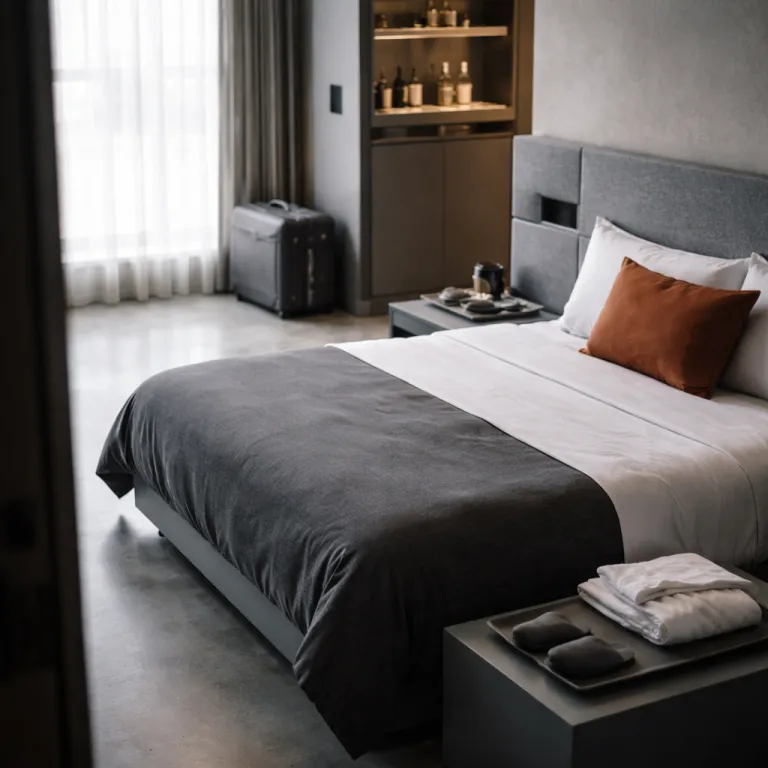
Invisible details carry disproportionate weight in the luxury hotel guest experience, especially for tired business leisure travelers. Calibrated lighting that mimics late afternoon, a quiet but perceptible signature scent, and a room temperature set around 20 to 22 degrees Celsius can all help guests feel grounded after a flight. Many luxury hotels now coordinate these elements through integrated room technology, so that curtains, music, and climate respond instantly when the key card is inserted.
These touches are rarely mentioned in marketing, yet they drive guest satisfaction more reliably than another champagne amenity. When a hotel uses feedback loops and guest preference data to refine these micro details, the result is a consistent sense of place that guests may not consciously analyze but always remember. For travelers comparing superior rooms worldwide, our guide to Mallorca hotels with superior rooms shows how thoughtful design and quiet technology can elevate even a short coastal stay.
Why business leisure travelers set the pace for future luxury
Executives who extend business trips into leisure are quietly redefining the future luxury playbook. They arrive with clear guest expectations shaped by years of travel, and they judge hotels less on spectacle and more on how the service supports their real lives. For this segment, a luxury hotel guest experience succeeds when it makes the transition from boardroom to beach or gallery feel effortless.
These travelers pay close attention to how a hotel manages check in flexibility, late check out, and the ability to work comfortably from the room without turning it into a temporary office. They notice whether the front desk can adjust housekeeping times around calls, whether the concierge can secure local reservations that reflect a genuine sense of place, and whether wellness options feel tailored rather than generic. As one expert summary puts it, “What defines a luxury hotel experience? Personalized service, high-quality amenities, and exclusive experiences.”
For the hospitality industry, this cohort is a leading indicator of where guest experiences are heading. They respond strongly to hotels and hotels resorts that use personalization intelligently, invite honest feedback, and treat every hotel guest as a long term relationship rather than a one time transaction. When brands align their business strategy, technology investments, and on property culture around this standard, they create luxury hospitality that feels both quietly efficient and deeply human.
FAQ
What defines a truly exceptional luxury hotel guest experience today ?
An exceptional luxury hotel guest experience combines personalized service, high quality amenities, and a strong sense of place that reflects the local culture. The best luxury hotels use technology discreetly to remove friction while keeping human interaction at the center of hospitality. They also rely on continuous feedback to refine guest experiences over time, so returning guests feel both remembered and freshly surprised.
How can I help a hotel tailor my stay before arrival ?
Share your guest preferences early, ideally through the hotel’s pre arrival form or a direct email to the front desk or concierge. Mention practical details such as arrival time, dietary needs, sleep habits, and any business commitments that might affect housekeeping or room setup. This allows the team to design a more personalized service plan and often leads to higher guest satisfaction from the first night.
Why are business travelers so focused on pre arrival details ?
Business travelers operate on tight schedules, so small frictions at check in or in the room can quickly erode the overall guest experience. When a luxury hotel anticipates needs such as early access to a quiet room, reliable connectivity, and flexible dining options, it protects the guest’s limited time and energy. This is why many executives gravitate toward brands and hotels resorts known for consistent, anticipatory service.
What trends are shaping the future of luxury hospitality ?
Key trends include deeper personalization based on guest data, more sustainable operations, and technology that blends into design rather than dominating it. Wellness focused offerings, such as sleep optimization programs and tailored spa experiences, are becoming standard in many star hotels. At the same time, the hospitality industry is moving toward quieter, more intuitive service that lets guests feel in control rather than managed.
How can I choose between different luxury hotels in the same city ?
Look beyond the brand name and compare how each hotel handles pre arrival communication, flexibility around check in and check out, and the specificity of its local experiences. Reviews that mention how guests feel during small moments, such as late night returns or early departures, are often more revealing than comments about décor. When a property consistently delivers on guest expectations in these details, it is usually a strong choice for both business and leisure stays.