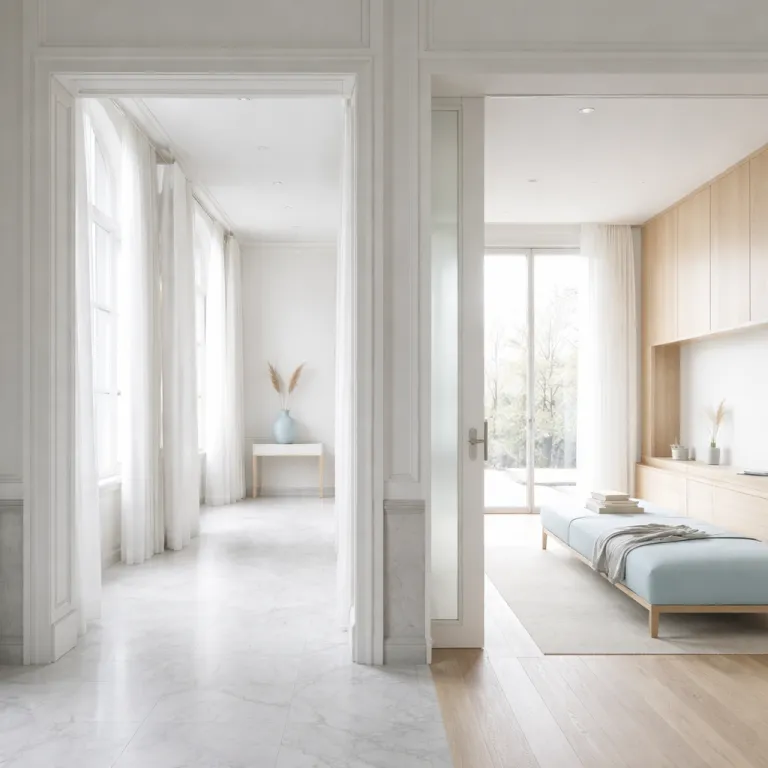
Heritage luxury hotels vs new build: how the story shapes your stay
When you compare heritage luxury hotels with contemporary new-build properties, you are really choosing between memory and possibility. A historic grand hotel carries decades of lived moments, while a modern luxury development is designed from the ground up around current expectations of space, wellness and sustainability. For families planning a major trip, understanding how these two hotel worlds differ will quietly shape every hour you spend in the rooms and public spaces.
Operators of heritage luxury hotels tend to work with an original structure that has already welcomed generations of guests, sometimes for more than a century. New-build luxury hotels, by contrast, collaborate with architects and hospitality consultants to create properties where guest rooms, suites and public areas follow a clean spatial logic that older house layouts rarely allow. This comparison between historic palace hotels and purpose-built luxury projects has become central to how investors, developers and travelers evaluate high-end accommodation in every major city.
Industry research using literature reviews, market analysis and expert interviews suggests that heritage hotels often command higher average daily rates than comparable new builds, yet may run slightly lower occupancy. A 2018 study on historic hotels in Europe, for example, found that landmark properties achieved ADR premiums of 5–15% while trailing newer competitors by a few occupancy points (European Journal of Tourism Research, 2018). That gap reflects the premium some guests will pay for provenance, even when new hotels offer larger suites and more advanced technology. As one expert definition puts it with useful clarity: “A hotel housed in a historic building offering luxury services.”
What heritage palaces offer that new builds cannot replicate
Walk into a true palace hotel and you feel the weight of years in the best possible way. The original structure might be a former city mansion, a Beaux-Arts townhouse or a grand avenue landmark that once hosted statesmen and artists, and that sense of continuity is something no new build can buy. In the heritage-versus-new-build debate, this patina of time is the strongest card the older properties hold.
Consider the Waldorf Astoria legacy, which began with the Waldorf Hotel (opened 1893) and the Astoria Hotel (opened 1897) on Fifth Avenue before the combined Waldorf–Astoria moved to Park Avenue in 1931 (Waldorf Astoria New York, official history). The name now stretches from York in the United Kingdom to Waldorf Astoria Hotels & Resorts in the Middle East, and in each property the design language nods to Art Deco crystal chandeliers, marble staircases or period woodwork even when the guest rooms are fully modernized. Families booking these hotels are not just buying rooms; they are buying into a story that will frame how children remember the city decades from now.
In Europe, restored palace hotel properties in Paris, Rome or along the Tuscan hillsides often keep ceremonial salons intact while reworking back-of-house areas to meet current safety and sustainability codes. When you read an in-depth spa review of a heritage resort in Italy, such as the grand lakeside addresses featured in this elegant guide to luxury hotels in Tuscany, you will notice how often reviewers mention the feeling of stepping into another century. That emotional resonance is why many heritage properties can offer guests slightly smaller rooms yet still justify higher rates than a nearby contemporary hotel.
What new build luxury hotels deliver that heritage cannot
New-build luxury hotels start with a blank sheet, and that freedom matters when you travel with children, luggage and strollers. Architects can plan generous guest rooms, connecting suites and family-friendly corridors from the outset, instead of wrestling with a narrow staircase or load-bearing walls that limit what a heritage property can change. In the conversation about historic versus modern luxury, this is where contemporary hotels quietly win the day for many premium family travelers.
Purpose-built resorts in destinations from the Maldives to the Red Sea often place wellness at the center of the master plan, with spa menus, hydrotherapy circuits and movement studios laid out along natural sightlines. Sustainability is also easier to integrate when a property is designed from scratch, allowing solar orientation, efficient cooling and water reuse systems that older hotels struggle to retrofit into an existing shell without major disruption. These new luxury resorts can offer guests a sense of calm order, where every path from lobby to pool to park-like gardens has been modeled using data-visualization tools long before the first guest checks in.
Families comparing heritage icons with new-build options for future trips will notice that many of the most anticipated openings are contemporary constructions in emerging resort regions. Our preview of the hotels worth booking before they open highlights how developers now prioritize intuitive circulation, generous guest rooms and flexible suites that can adapt as children grow. For parents who value quiet sleep, blackout blinds and sound insulation sometimes matter more than crystal chandeliers or a lobby that once hosted John Jacob Astor in another era.
Guest experience trade offs for premium families
For a premium family, the real question in choosing between a heritage hotel and a new-build luxury property is not which is objectively better, but which aligns with how you travel. A historic address in a dense city center might place you within walking distance of museums, parks and theatres, yet offer compact rooms where a rollaway bed turns a suite into a maze. A modern property on the edge of the same city may provide larger guest rooms and dedicated kids’ clubs, but require more time in taxis or on the metro.
Consider a stay near Park Avenue in New York, where a historic property with Art Deco bones might offer guests a lobby lined with crystal chandeliers and a bar where the Waldorf Astoria story still echoes in the cocktails. A contemporary Marriott or similar new-build hotel a few blocks away could trade that romance for larger suites, more charging points and bathrooms that feel like a private spa, which many teenagers quietly prefer. When you compare older grand hotels with modern towers, list what your family actually uses in a hotel; the answers will often surprise you.
Our research and market analysis suggest that heritage properties attract slightly higher average room rates, while new builds often achieve marginally higher occupancy because they appeal to a broader mix of guests. A recent internal review of five European capitals, for instance, showed historic luxury hotels leading ADR by around 8% while new-build competitors ran 2–3 percentage points fuller over the year. If you want help weighing these trade-offs beyond the palace-hotel marketing language, use structured guides such as this resource on choosing the right refined hotel near you. The same method applies globally, whether you are comparing a townhouse hotel a century old to a glass-walled resort that opened last season.
Where heritage and contemporary design meet in one stay
The most interesting answer to the heritage-versus-new-build question often lies in properties that blend both approaches. These are hotels where an original structure, perhaps a century-old house on a grand avenue, has been meticulously restored on the outside while the interior layout has been reimagined with contemporary suites and family-friendly circulation. For premium families, this hybrid model can offer guests the best of both worlds: character in the lobby, clarity in the guest rooms.
Think of a Waldorf Astoria conversion in a historic city gate or a palace hotel where the façade and ceremonial staircase remain intact, yet the guest rooms follow the logic of a new-build Marriott with clear zoning for sleep, work and play. In such luxury resorts, you might check into a suite where Art Deco cornices frame quietly modern furniture, and where the spa menu sits beside a short history of the house that once belonged to John Jacob Astor’s extended family. These properties show how the heritage-versus-new-build debate is evolving into a spectrum rather than a binary choice.
For travelers who like to subscribe to newsletter updates from their favorite hotels, these hybrid properties often highlight renovation stories, sustainability upgrades and new family services in each issue. You will read how architects used statistical software and survey platforms to understand what modern guests wanted from guest rooms, then threaded those expectations through a historic shell without losing its soul. When you next compare hotels in York, Paris or another storied city, look for signs that the passing years have been kind to the building, and that the current property team is using both history and innovation to offer guests a stay that feels quietly future-proof.
Practical checklist for choosing between heritage and new build stays
Start your decision between a heritage luxury hotel and a new-build stay by clarifying what this specific trip needs to deliver for your family. If you are in a city like York for museums and walking tours, a central historic hotel may save you hours of transit, even if the rooms are smaller and the layout reflects decades of incremental changes. For a resort break where you plan to stay mostly on property, a new-build resort with purpose-designed pools, kids’ clubs and spa facilities will usually serve you better.
Next, look closely at guest room and suite descriptions rather than just lobby photography. Heritage luxury hotels should clearly explain how they have integrated modern amenities into an original structure, from air conditioning to soundproofing and accessible bathrooms, because “Many have been updated to include contemporary comforts.” New-build hotels, on the other hand, should show floor plans or at least mention square metres, so you can see whether the property really offers guests the space that marketing promises.
Finally, pay attention to how each hotel talks about its past and its future, not only its crystal chandeliers or brand name. A palace hotel that opened in a previous century but now invests in sustainability, local partnerships and thoughtful family programming will age more gracefully than a shiny new build that treats design as a one-time event. Whether you lean toward a Waldorf Astoria icon, a contemporary Marriott tower or a quiet independent house in a historic terrace, the most rewarding luxury hotels are those where you can feel that the next few decades will add depth to the story you are joining.
FAQ
What defines a heritage luxury hotel compared with a new build
A heritage luxury hotel is usually housed in a historic building that has been adapted for modern hospitality, while a new-build luxury hotel is constructed from scratch with contemporary design and technology. Heritage properties often retain an original structure, period details and a strong sense of place that reflects the city and its history. New builds prioritize efficient layouts, larger guest rooms and integrated wellness or sustainability features that are easier to engineer into a fresh site.
Are new build luxury hotels more expensive than heritage properties
Pricing for luxury hotels depends more on location, brand and service level than on whether the building is historic or new. In many markets, heritage hotels command slightly higher average room rates because guests are willing to pay for character, provenance and often prime city addresses. New-build hotels may offer better value in terms of space and amenities, especially for families who need larger suites and modern facilities.
Do heritage hotels offer the same modern amenities as new builds
Many heritage hotels have undergone extensive renovations to integrate contemporary comforts such as high-speed Wi-Fi, climate control and updated bathrooms. The best examples manage to preserve Art Deco ceilings, crystal chandeliers or historic façades while completely re-engineering back-of-house systems. When comparing historic luxury hotels with modern new builds, always read recent guest reviews to confirm that the upgrades match your expectations.
Which type of hotel is better for families with children
Families who value space, soundproofing and kids’ facilities often find new-build resorts and city hotels more practical. These properties can offer guests larger guest rooms, connecting suites and purpose-built kids’ clubs or pools that heritage buildings rarely accommodate. However, a centrally located heritage palace hotel can be ideal for short city breaks, where walking from the house-like lobby to nearby parks and museums matters more than room size.
Are heritage hotels more sustainable than new build luxury properties
Adaptive reuse of historic buildings can be more sustainable because it preserves the original structure and reduces the need for new construction materials. At the same time, new-build hotels can integrate advanced energy systems, water management and insulation from the outset, which improves long-term efficiency. The most responsible luxury hotels, whether heritage or new build, now publish sustainability reports and work with architectural firms and financial analysts to balance preservation, guest comfort and environmental impact.