Early summer sustainable luxury travel for couples
Why early summer is the new season for sustainable luxury
Early summer is when sustainable luxury travel quietly comes into its own. Couples who plan their journeys for late May and early June will feel the difference in lighter crowds, cooler evenings and a softer footprint on fragile destinations. This is the moment when summer luxury shifts from excess to intention, and when the best luxury properties finally align comfort, sustainability and calm.
Global tourism analyses from organisations such as the UN World Tourism Organization indicate that around 70–75% of international tourist arrivals are concentrated between June and September, which means that early summer travel destinations operate below full strain. That lower pressure on water, energy and transport systems directly supports more sustainable travel, because fewer people mean fewer emissions from congestion and less stress on local infrastructure. Choosing early summer for luxury travel is not a sacrifice; it is a strategic move that gives guests better access to staff, more attentive luxury hospitality and quieter cultural experiences.
For couples planning sustainable luxury travel in summer 2026, think of timing as your first design choice, before you even pick hotels or flights. When you arrive before peak season, you support long term sustainability by smoothing demand and helping the travel industry use resources more efficiently. You also open the door to more exclusive experiences, from private tastings with local producers to unhurried spa rituals that feel like they were designed just for two. As one general manager in the Cyclades put it, “In early June we finally have the time to say yes to special requests, and that is when our sustainability work and our service really come together for couples.”
Mediterranean and alpine escapes before the crowds
The Mediterranean rewards travelers seeking quiet luxury when they arrive just before the heat and cruise ships. In Greece, islands such as Paros, Milos and lesser known corners of Crete offer early summer luxury travel where the sea is already warm, but the tavernas still feel local and the best rooms in small luxury hotels are not yet spoken for. This is when sustainable luxury journeys in the region will feel most authentic, because staff have time to share cultural stories and guests can move at a slow travel pace.
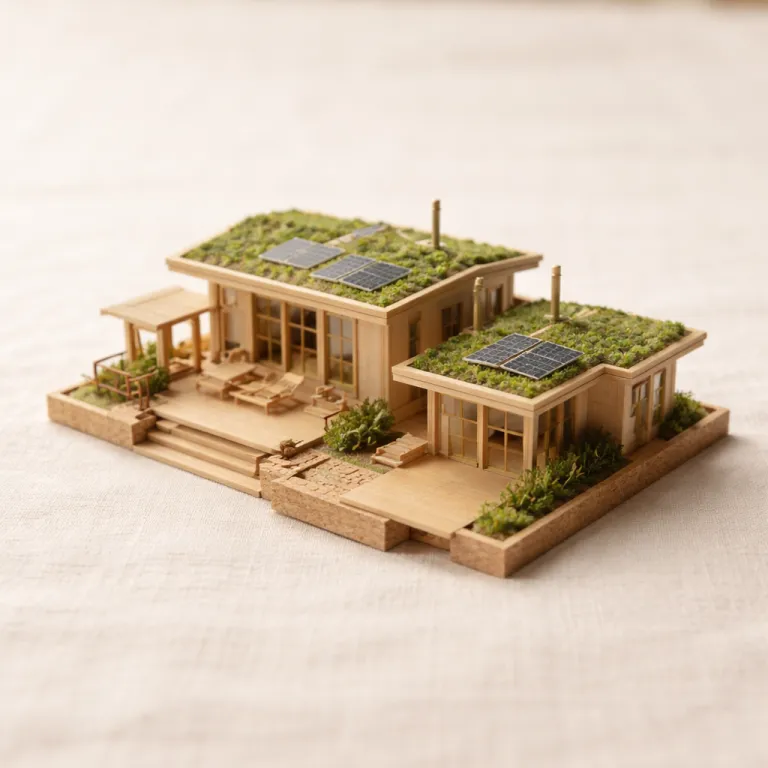
Look for hotels in Greece that combine thoughtful design with visible sustainability, such as solar ready rooftops, native landscaping and water saving fixtures as standard. Many of the best luxury properties now frame early summer as their preferred season, pairing lower rates with curated cultural experiences like village food walks, vineyard visits and coastal hikes that avoid the hottest hours. When you review a property’s travel planning details or its sustainability page, ask directly about how they manage tourism pressure in peak season and what changes in early summer, including whether they track indicators such as percentage of renewable energy, litres of water used per guest night and waste diversion rates; leading Mediterranean hotels often report renewable energy shares above 50%, water use below 300 litres per guest night and diversion of more than 60% of waste from landfill.
The same logic applies in the Alps, where late May and early June create a quiet interlude between ski tourism and high summer hiking. Alpine luxury destinations in Austria, Switzerland and northern Italy use this shoulder period to focus on wellness experiences, forest bathing and slow travel style picnics in meadows that have just emerged from snow. For a deeper look at how serious properties handle amenities and booking policies in this space, study a global guide to luxury stays and booking policies on trusted travel resources, then apply the same questions to any alpine hotel you consider, including whether they can share approximate figures for renewable energy use, water consumption per guest and recycling performance.
Global eco-luxury benchmarks from Costa Rica to South Korea
Some destinations have spent years turning sustainable luxury into a quiet art form. Costa Rica is a textbook case, where luxury travelers can pair rainforest lodges with Pacific coast hotels that run on high shares of renewable energy, protect wildlife corridors and work closely with local communities on long term conservation. The country’s national electricity grid regularly reports more than 95% of power from renewable sources, and leading eco-lodges often publish water use per guest night and waste diversion rates to show progress. When you plan sustainable luxury travel in summer 2026 here, shoulder season dates mean lighter rain, fewer crowds and more meaningful cultural experiences with guides who are not rushing between groups.
Across the Pacific, South Korea is emerging as one of the most interesting luxury destinations for couples who care about sustainability and design. In Seoul and Busan, new generation hotels weave traditional materials, contemporary architecture and advanced energy systems into a form of urban luxury hospitality that feels both future focused and deeply local. Outside the cities, coastal and mountain retreats offer slow travel journeys built around temple stays, tea culture and forest trails that are far more enjoyable before domestic tourism reaches its peak season, with some properties reporting targets such as 40–60% renewable energy use and structured programmes for local sourcing.
On the Atlantic edge, Fogo Island Inn in Newfoundland shows how sustainable travel can anchor an entire community, with a hotel that channels 100% of operating surpluses into local initiatives and uses design to frame the wild landscape rather than dominate it. Deplar Farm in Iceland and The Brando in French Polynesia follow similar principles, proving that exclusive experiences and sustainability can coexist when the travel industry commits to serious standards; The Brando, for example, has reported that a majority of its energy demand is met through a mix of solar power and deep seawater air conditioning, while Fogo Island Inn tracks metrics such as local employment share and waste diversion. To navigate this landscape of high end, low impact stays, consider using an exclusive hotel booking platform focused on premium travel experiences that can filter properties by sustainability credentials as well as by luxury level, and look for recognised eco labels such as GSTC-aligned certifications, EarthCheck or Green Key.
How to book low impact luxury stays for early summer
Smart travel planning is what turns good intentions into real sustainable luxury. When you search for hotels, start by checking whether the property publishes a clear sustainability policy and whether it holds any credible eco certifications, because these signals matter in a crowded travel industry. Recognised programmes include GSTC-recognised standards, EarthCheck, Green Key and similar schemes that audit energy, water, waste and community impact, often requiring properties to report data such as kilowatt-hours per guest night, litres of water per stay and percentage of waste recycled or composted.
For couples, the next step is to ask specific questions before you confirm any summer luxury reservation. Ask how the hotel manages water use in peak season, whether it sources food from local producers, and what percentage of its energy comes from renewable sources, because these details reveal whether sustainable travel is a marketing line or a real operational priority. You can also request information on waste reduction, community partnerships and cultural experiences that are designed to respect, rather than stage, local traditions; a concise email with five clear questions often receives more detailed answers than a broad request, and genuine leaders are usually willing to share approximate figures for renewable energy share, water use per guest and recycling rates.
When you are comparing early summer offers, remember that the best luxury options are not always the most expensive ones. Properties like Six Senses Gangtey in Bhutan, Fogo Island Inn, Deplar Farm and The Brando show that sustainable luxury can feel more generous, because guests are invited into stories of place, not just into polished rooms. For couples planning sustainable luxury travel in summer 2026, it is worth tracking new openings and pre opening offers through curated lists of hotels worth booking before they open, and aiming to secure reservations six to nine months ahead, when early access often aligns with lower impact travel windows and gives you first choice of rooms that best match your values.
FAQ
What is sustainable luxury travel in practical terms for couples ?
Sustainable luxury travel means staying in high end hotels or lodges that minimise environmental impact while still offering refined comfort and service. In practice, this includes renewable energy, efficient water systems, responsible sourcing and meaningful engagement with local communities. For couples, it often translates into quieter experiences, better staff attention and a sense that your stay supports, rather than strains, the destination, especially when you travel in early summer instead of during the most crowded weeks.
Why choose early summer instead of peak season for a luxury trip ?
Early summer usually brings milder weather, fewer crowds and more attentive service in popular travel destinations. Because infrastructure is under less pressure, your stay has a lower environmental footprint and you avoid the stress of over tourism. You also gain better access to exclusive experiences, from private guides to flexible dining, that are harder to secure once peak season starts, and you help hotels and local communities spread demand more evenly across the season.
How can I check whether a hotel is genuinely sustainable ?
Start by looking for recognised eco certifications and a detailed sustainability section on the hotel website that explains energy, water, waste and community practices. Then email or call to ask specific questions about local sourcing, staff training and how they manage tourism impacts during busy months. Genuine leaders in sustainable luxury are transparent, data driven and happy to share concrete examples rather than vague promises, including metrics such as renewable energy share, water use per guest and recycling or composting rates, even if they present them as ranges or recent averages.
Are sustainable luxury hotels only in remote destinations like Costa Rica or Bhutan ?
No, sustainable luxury options now exist in cities, coastal resorts and mountain regions across the world. You will find credible properties in Greece, South Korea, Canada, Iceland and French Polynesia, as well as in classic urban hubs. The key is to focus on the practices, not just the marketing language, and to time your visit for early summer when possible so that your stay supports lower impact travel patterns.
Does sustainable luxury always cost more than traditional luxury stays ?
Many sustainable luxury properties do sit at the higher end of the market because they invest heavily in technology, design and community partnerships. However, booking in early summer rather than peak season often brings better value, with lower rates and added benefits. When you factor in the quality of experiences and the long term impact on destinations, the overall return on investment can be stronger than at a conventional luxury resort, particularly for couples who prioritise space, calm and a clear sustainability story.