From visual drama to neuro-aesthetic calm
Luxury hospitality has entered a new chapter where neuro-aesthetic hotel design luxury quietly replaces theatrical lobbies. The focus has shifted from photogenic spectacle toward environments where the brain and nervous system can finally exhale, and where every hotel space is calibrated for rest rather than performance. For travelers choosing between design hotels across continents, the real luxury now lies in how a hotel room makes you feel twenty minutes after check in, not in the first wide angle view on your phone.
Neuroaesthetics, the field studying how aesthetic experience shapes the brain, gives architects and interior design teams measurable tools instead of vague mood boards. In practice, this means proportions that feel intuitively right, light temperatures that track circadian rhythms, and textures that invite touch, all orchestrated to support mental health during travel. When you browse a luxury hotel on a premium booking website, you are increasingly looking at architecture and interiors that have been tested for emotional responses, not just styled for likes.
Design firm Breathe Green Design Corp. describes this shift succinctly in its own research ; “Stress reduction through sensory layering”, “Improvement in relaxation and sleep quality”, and “Enhanced mental clarity” are no longer soft benefits but design KPIs. Their projects show that even a compact hotel room can feel like a generous space when the view, the acoustic envelope, and the material palette work with the nervous system instead of against it. For guests, this translates into a quieter brain, deeper sleep, and a sense of beauty that lingers long after check out.
How materials, light and sound rewire the stay
Walk into Casa Hormiga in Mexico and you immediately sense how neuro-aesthetic hotel design luxury plays out in real life. Limestone floors, clay finishes, and warm toned wood create a tactile aesthetic that grounds the body, while filtered daylight and low glare fixtures keep the nervous system in a state of gentle alertness rather than fatigue. This is not décor for décor’s sake ; it is architecture tuned to the biology of guests who arrive overstimulated from travel.
Neuroaesthetics research shows that natural materials consistently outperform synthetics in guest satisfaction, because the brain reads subtle irregularities in stone, bamboo, rattan, and linen as signs of safety and culture rather than sterility. When a luxury hotel layers these textures with circadian lighting, the result is an aesthetic experience that quietly supports mental health, especially for solo travelers who spend time working or reflecting in their hotel room. On a booking platform, these design choices may appear as simple style tags, yet they carry a measurable impact on how well you sleep and how restored you feel the next morning.
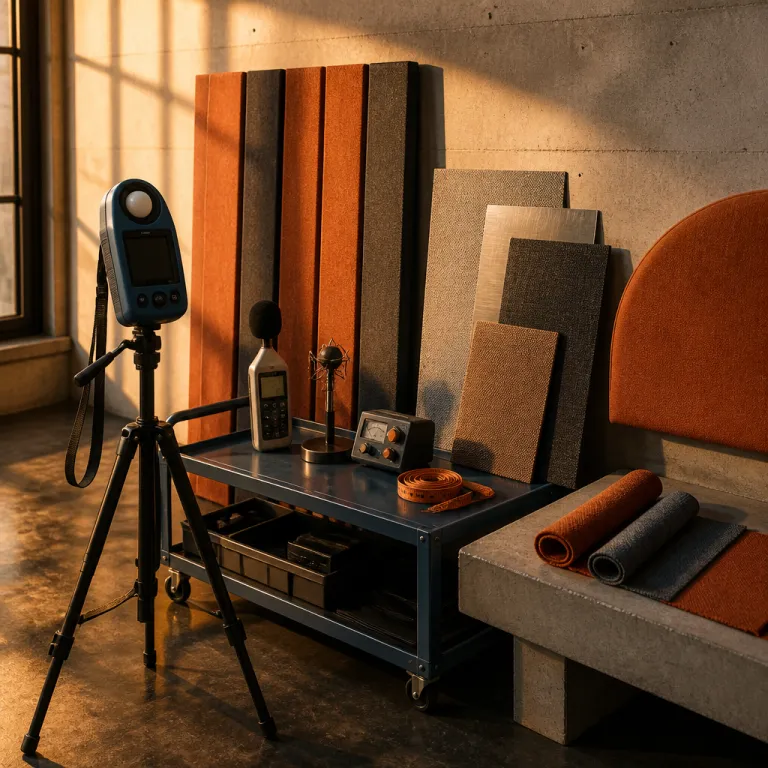
Sound is the other invisible pillar of neuro-aesthetic hotel design luxury, and the best hotels now treat acoustic engineering as seriously as thread count. Thoughtful insulation between rooms, soft materials that absorb echo in the bar and restaurant, and curated soundscapes in the spa all reduce cognitive load on the brain. If you are planning a romantic escape, pairing these principles with a property from a curated honeymoon collection such as the one featured in the luxury honeymoon hotel booking guide on world-best-stay.com can turn a beautiful stay into a deeply restorative experience.
Micro-zones, sleep labs and the new luxury of rest
Hotel AKA NoMad in New York illustrates how neuro-aesthetic hotel design luxury translates into urban calm. Its Japandi inspired interior design uses low slung furniture, pale woods, and soft textiles to create micro-zones within each hotel room, allowing guests to separate work, rest, and reflection without needing a suite. This zoning respects how the brain associates specific corners of a space with particular activities, which in turn supports better sleep and clearer emotional responses.
Across leading hotels, sleep optimization has become a core pillar of luxury hospitality rather than an add on amenity. Blackout systems, adjustable circadian lighting, and ultra quiet ventilation are now joined by options such as pillow menus, sound masking, and even guided wind down rituals that acknowledge the nervous system as a design client. When you compare premium rooms in major cities, resources like the insider guide to premium hotel rooms in Tokyo on world-best-stay.com help you read between the lines of marketing language and identify which design hotel genuinely prioritizes restorative rest.
Micro-zones extend beyond the hotel room into shared space, where guests can choose between a lively bar restaurant, a contemplative coffee corner, or a library like lounge with a tranquil view. This segmentation respects different cultural expectations around socializing and solitude, while still maintaining a coherent aesthetic and a sense of beauty throughout the hotel. For frequent travel, such environments reduce decision fatigue for the brain and create a reliable, calming rhythm from arrival to departure.
Bars, restaurants and lobbies as emotional ecosystems
Neuro-aesthetic hotel design luxury does not stop at the door of the hotel room ; it reshapes how we eat, drink, and meet. In the best hotels, the bar and restaurant are now conceived as emotional ecosystems where light, sound, and materiality choreograph social energy. A bar restaurant with low contrast lighting, upholstered seating, and warm timber can encourage longer, more relaxed conversations, while a brighter coffee bar near the lobby supports quick, focused interactions before a day of travel.
For solo explorers, these choices matter because they determine how comfortable you feel occupying public space without a companion. A thoughtfully designed hotel restaurant with varied seating, from counter stools to semi enclosed banquettes, allows guests to calibrate their own level of visibility and engagement, which directly influences the nervous system and mental health. When a view hotel positions its dining room to frame a city skyline or a garden, the brain receives a steady stream of soft fascination, a concept from environmental psychology that supports gentle attention rather than overstimulation.
On curated booking platforms, you will increasingly see filters that reference wellness, calm, or restorative stays as shorthand for this neuroaesthetics driven approach. Articles such as the analysis of what the smallest luxury resorts deliver on world-best-stay.com show how intimate hotels use architecture and landscape to create a powerful aesthetic experience with minimal visual noise. For travelers, choosing such a luxury hotel means choosing an environment where every coffee, every shared glance at the bar, and every quiet moment in the lobby has been designed to support emotional responses that feel balanced rather than drained.
Digital detox, cultural context and choosing your next stay
The most interesting tension in neuro-aesthetic hotel design luxury lies between constant connectivity and the desire for digital silence. Guests expect flawless Wi Fi and intuitive in room technology, yet the brain and nervous system benefit from periods of low stimulation, especially after long haul travel. Forward thinking hotels resolve this by creating tech light zones, from reading nooks with no visible screens to spa areas where devices are gently discouraged, allowing the aesthetic appreciation of materials, light, and sound to take center stage.
Cultural context shapes how these choices land, because beauty and comfort are never universal. A design hotel in Kyoto might emphasize shoji screens, tatami textures, and garden views, while a property in Scandinavia leans into pale wood, wool, and expansive sky framed windows, yet both can embody the same neuroaesthetics principles. When you browse hotels on a global booking website, pay attention to how each property integrates local culture into its architecture and interior design, because this authenticity often correlates with a deeper, more coherent aesthetic experience.
As you plan where to spend time on your next trip, treat the main content on any booking page as a map of how your brain will feel in that space. Look for mentions of natural materials, circadian lighting, quiet zones, and wellness focused programming, and do not hesitate to skip main marketing clichés that only list amenities without explaining their measurable impact on well being. The future of luxury hospitality belongs to hotels that understand neuro-aesthetic hotel design luxury not as a trend, but as a commitment to caring for the whole nervous system of every guest who walks through their doors.
FAQ
What is neuro-aesthetic design in hotels ?
Neuro-aesthetic design in hotels is a hospitality approach that combines neuroscience and aesthetics to enhance well being. It uses spatial proportions, light temperature, material textures, and acoustic control to support the brain and nervous system rather than overwhelm them. In practice, this means hotel spaces that measurably improve relaxation, sleep quality, and emotional balance for guests.
How do hotels implement neuro-aesthetic principles in practice ?
Hotels implement neuro-aesthetic principles by prioritizing natural materials, biophilic elements, and circadian lighting throughout their architecture and interior design. They also invest in acoustic engineering, sensory layering, and micro-zones that separate work, rest, and social activities within the same space. These strategies create a coherent aesthetic experience that feels calm, intuitive, and supportive of mental health during travel.
What are the main benefits of neuro-aesthetic hotel design for guests ?
The main benefits of neuro-aesthetic hotel design include reduced stress, better sleep, and a stronger sense of restoration after a stay. Guests often report clearer thinking, more stable emotional responses, and a deeper appreciation of beauty in their surroundings. Over time, these effects translate into higher satisfaction, stronger loyalty, and a preference for hotels that treat well being as a design priority.
How can I identify a hotel that uses neuro-aesthetic design when booking ?
When booking, look for descriptions that mention natural materials, daylight management, quiet zones, and wellness focused spaces rather than only listing luxury finishes. Pay attention to how the hotel restaurant, bar, and shared areas are described, because these spaces reveal whether the property considers sound, light, and comfort as part of its design philosophy. Reviews that highlight calm, restorative sleep and a soothing atmosphere are strong indicators of neuro-aesthetic hotel design luxury in action.
Are neuro-aesthetic hotels only for wellness focused travelers ?
Neuro-aesthetic hotels are not limited to wellness retreats ; they benefit any traveler who values rest and clarity. Business guests, solo explorers, and couples all gain from environments that reduce cognitive load and support the nervous system. The difference is subtle but powerful, turning a standard night in a hotel into an experience that genuinely leaves you feeling better than when you arrived.