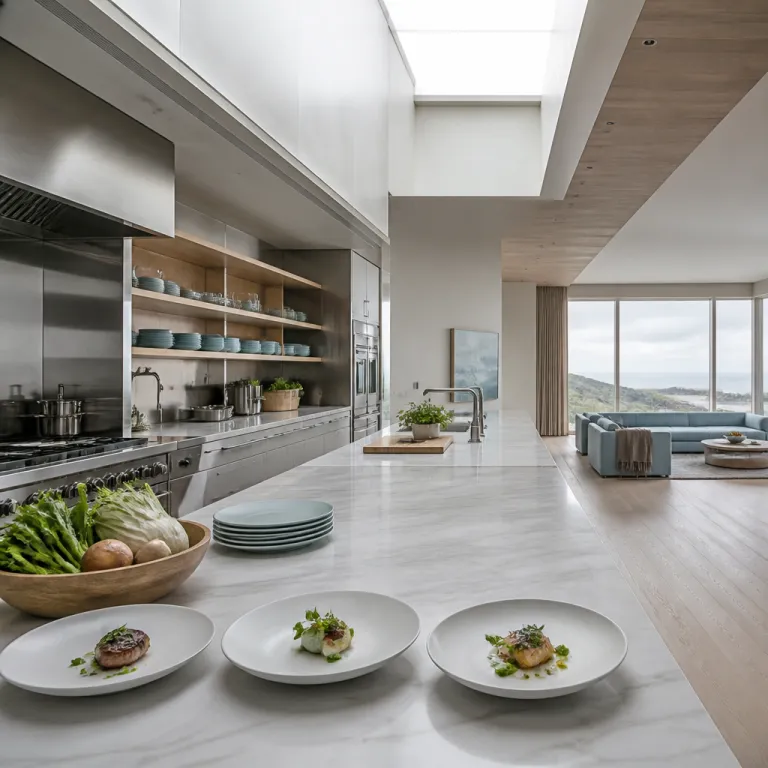
How culinary luxury hotels are redefining why we book
In many culinary luxury hotels, the reservation starts at the table, not the front desk. Couples now choose a luxury hotel because the dining experience promises more emotion than any infinity pool, and the restaurant becomes the anchor around which dates, flights, and even anniversary plans are carefully selected. This shift explains why food tourism drives a growing share of luxury travel bookings, as travelers treat the hotel restaurant as their primary destination rather than a convenient extra.
Food first in a hotel means the culinary program shapes almost every decision, from the design of public spaces to the way rooms frame the view of the kitchen garden or vineyards. A dedicated culinary director or executive chef often sits alongside the general manager, and the menu reads like an editorial statement about place, season, and community rather than a generic list of international dishes. When guests check availability at these hotels, they are usually checking chef table slots and seasonal menus before they even look at room categories or the price per night.
Across the united states, Europe, and wine country regions worldwide, only a relatively small number of hotels offer this truly food led model, with one industry report counting around 50 food first luxury hotels globally. These properties treat hotel dining as a cultural program, not a cost center, and they build restaurants that attract locals as much as in house guests. The result is that guests enjoy richer dining experiences, where the hotel restaurant feels like the beating heart of the property and the rooms become a quiet retreat after the last dessert course.
From good restaurant to food-first luxury hotel
A hotel with a good restaurant is not the same as a food first luxury hotel where the kitchen outshines the suite. In a conventional property, hotel restaurants are often designed to serve three meals a day efficiently, while in culinary luxury hotels the restaurant may hold independent recognition such as Michelin starred status, a place on the World’s 50 Best lists, or a James Beard Award. The operational mindset changes completely when the restaurant, not the spa or the view, is the main reason guests book specific dates.
In these hotels fine dining is not confined to white tablecloth formality, because the focus sits on narrative, sourcing, and a sense of place rather than on stiff service rituals. The executive chef usually leads a large équipe of qualifiés artisans, curating seasonal menus that respond to local markets, estate gardens, and sometimes even daily foraging excursions. This is where the minibar becomes a quiet tell of ambition, and guides like world best stay have explored how the contents of a minibar can reveal a hotel’s culinary philosophy in articles such as their analysis of a Los Angeles property’s refined comfort and food focus, which helps travelers read between the lines of hotel dining promises.
In a true grand hotel built around gastronomy, the restaurant often has its own entrance, bar, and reservations system, and locals may know the restaurant long before they realise there are rooms upstairs. Guests enjoy a different rhythm here, planning their night around a chef table seating, a wine pairing, or a late reservation at the view hotel restaurant that overlooks vineyards or city lights. The hotel’s rooms, spa, and even the lobby design are then calibrated to support recovery from long tasting menus, early market visits, or cooking classes rather than just providing a generic place to sleep.
Inside the kitchen: sourcing, gardens, and seasonal menus
Food first hotels treat sourcing as a form of storytelling, and the best culinary luxury hotels make that story visible from the moment you arrive. Many historic hotels have reimagined their grounds as working landscapes, turning lawns into kitchen gardens, planting orchards, or partnering with nearby farms so that the view from your room includes the very fields that supply your plate. This is where zero kilometre sourcing, estate vineyards, and regenerative agriculture move from marketing language to daily practice.
Agaporia in Tuscany is a benchmark example, with regenerative farm to table dining anchored in more than 70 hectares of estate vineyards and olive groves, where the kitchen is both the architectural and philosophical center of the property. Here, seasonal menus are not a trend but a necessity, because the chef and the culinary team plan each dining experience around what the land can support at that moment, from early spring artichokes to late autumn game. Guests enjoy walking through the gardens before dinner, seeing the day’s harvest, and then returning to rooms that carry the same natural materials and calm design language as the restaurant.
Across wine country regions in the united states and Europe, hotels offer foraging excursions, visits to local markets, and chef led tastings that blur the line between activity and meal. A hotel restaurant might host a morning workshop in the garden, followed by a chef table lunch where those ingredients reappear in refined but unfussy dishes. When you check availability at these hotels, you are often choosing between different dining experiences rather than simply comparing room types, because the culinary calendar drives the entire stay.
Where couples should book when the plate matters most
For couples planning a romantic escape, culinary luxury hotels offer a different kind of intimacy, one built around shared meals, long conversations, and the quiet theatre of an open kitchen. Many travelers now choose their hotel based on the restaurant’s reputation, using guides, awards, and trusted platforms to check which properties host Michelin starred chefs or acclaimed hotel restaurants that locals actually frequent. The room still matters, of course, but the most memorable night often unfolds at the chef table rather than in the suite.
Restaurant led hotel groups such as Nobu Hospitality have built entire brands on this idea, where guests enjoy Japanese Peruvian dishes in a buzzing dining room before retreating to minimalist rooms that echo the same design language. Appellation Hotels takes another approach, merging culinary and hospitality worlds so that cooking classes, market visits, and wine tastings are woven into the daily rhythm of the hotel, turning dining experiences into the main reason to extend a stay by an extra night. Urban properties like Epicurean Hotel in Tampa show how a city hotel can become a community hub, with a food themed concept, rooftop spaces, and programming that attracts locals as much as travelers.
When you plan a celebration trip, start by mapping your culinary priorities, then look for hotels view options where the restaurant aligns with your tastes, whether that means fine dining tasting menus, relaxed wine country bistros, or experimental hotel dining in creative neighborhoods. Use booking tools to check availability for both rooms and restaurant reservations on your preferred dates, because in many of these hotels the dining room fills faster than the rooms. For a deeper sense of a property’s ambition, guides such as world best stay’s review of refined comfort in Los Angeles show how to read between the lines of amenities, minibar choices, and restaurant descriptions to understand whether a hotel is truly food first or simply using culinary language as décor.
How to book and navigate a food-first stay
Securing the best experience at culinary luxury hotels requires a slightly different booking strategy, especially for couples planning a special night. Start by deciding which dining experience matters most, whether that is a long fine dining tasting menu, a relaxed hotel dining terrace with a vineyard view, or an intimate chef table interaction with the executive chef. Then, when you check availability online, treat restaurant reservations and room bookings as a single puzzle, adjusting your dates so that both align perfectly.
Many hotels offer dedicated gastronomic packages that bundle rooms, tasting menus, and sometimes cooking classes or market tours, which can provide better valeur and more certainty than booking each element separately. When you contact the hotel, ask specific questions about seasonal menus, sourcing, and how the restaurant interacts with the local community, because the most serious food first hotels fine tune their programming around harvests, festivals, and producer partnerships. Remember that in these properties, the view hotel aspect may be less about a skyline and more about overlooking vineyards, gardens, or historic courtyards that frame the culinary narrative.
Once on site, treat the hotel as a living culinary campus rather than just a place to sleep, moving between restaurants, bars, and informal tasting corners to build your own sequence of dining experiences. Many historic hotels now host pop up hotel restaurants, chef in residence programs, and collaborations with local artisans, giving guests enjoy multiple perspectives on the same region within a single stay. To make the most of it, arrive hungry, stay curious, and let the kitchen, not the suite, set the rhythm of your nights.
FAQ
What defines a food-first luxury hotel compared with a regular luxury property ?
A food first luxury hotel is defined by the way its entire operation revolves around the culinary program rather than treating the restaurant as an add on. The property usually has a high profile hotel restaurant, sometimes Michelin starred or independently awarded, that attracts locals as much as in house guests. Menus, sourcing, and chef led experiences shape the design of rooms, public spaces, and even the activities offered to guests.
Are food-first culinary luxury hotels more expensive than other hotels ?
These hotels are often priced at a premium because they invest heavily in talent, sourcing, and design around the kitchen. Guests are paying not only for rooms and a view but also for access to fine dining, seasonal menus, and immersive dining experiences that would be difficult to replicate elsewhere. For couples who value gastronomy, the overall valeur can be strong, because the restaurant, bar, and culinary activities become the main entertainment for each night.
Do food-first luxury hotels usually offer cooking classes or chef interactions ?
Many culinary luxury hotels provide cooking classes, market visits, or chef table experiences as part of their programming. These activities allow guests to move beyond passive hotel dining and engage directly with the executive chef and the culinary team. It is wise to check availability and book these experiences when you select your dates, as places are often limited.
How far in advance should couples book restaurant reservations at these hotels ?
For Michelin starred or highly acclaimed hotel restaurants, couples should aim to reserve several weeks in advance, especially for weekends or special occasions. In some wine country or historic hotels with small dining rooms, prime time slots can fill even earlier. Aligning room bookings and restaurant reservations at the same time helps avoid disappointment and ensures the dining experience remains the centerpiece of the stay.
Can non-guests dine at food-first luxury hotel restaurants ?
Most food first hotel restaurants welcome non resident diners, and many were conceived as community hubs rather than exclusive in house venues. Locals often fill the dining room, which is a positive sign that the restaurant stands on its own merits. If you are not staying overnight, you should still check availability early, as popular dates and times can be fully booked by both guests and local regulars.