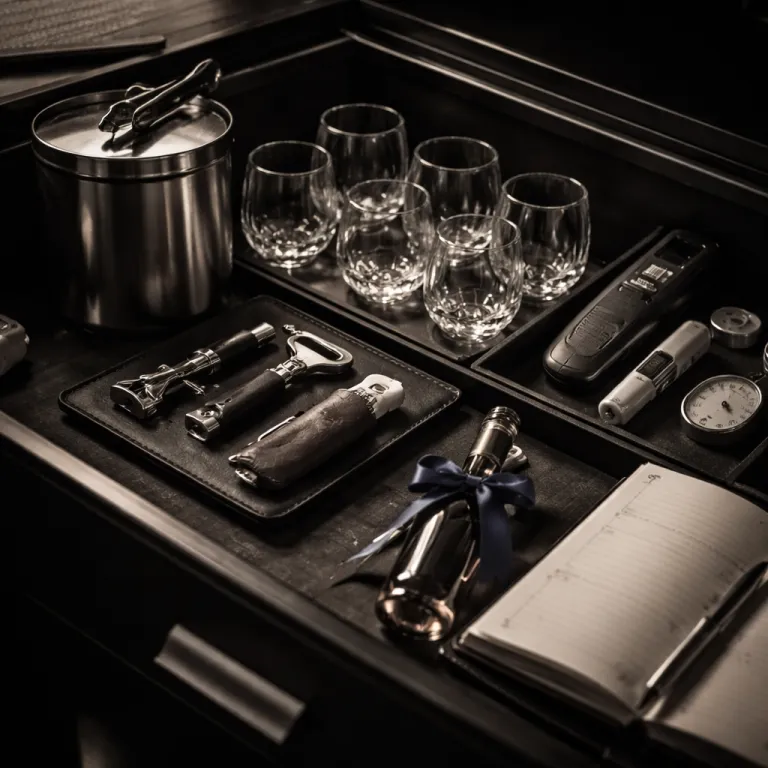
The minibar as the clearest window into a luxury hotel
Walk into any luxury hotel room and your eyes go first to the view, but the next quiet test of ambition sits behind a small, heavy door. That apparently simple minibar, whether it is a discreet room mini cabinet or a glowing glass bar, reveals how the hotel thinks about guests, revenue and its own place in the city. When you start reading minibar design, pricing and products with intent, the entire luxury hotel philosophy comes sharply into focus.
For decades, hotels treated each hotel minibar as a pure revenue engine, stocking mini fridges with generic items and marking up every bottle of water. Industry surveys from hotel asset managers and brands regularly show minibar markups of 200–400% compared with nearby retail, with the average minibar item price hovering around 8 USD while the same products in the lobby bar or grab-and-go outlet can cost half that amount. A 2019 Cornell Hospitality Report and STR benchmarking notes similar gaps between in-room and on-property pricing, confirming that minibar revenue has historically relied on high margins rather than volume. That gap shapes the minibar experience and tells you whether the bar hotel team is chasing short term profit or long term guest satisfaction.
Today, the most interesting hotels and hotels resorts are rethinking minibar offerings as part of a broader dining experience rather than a dusty add on. You see it in the way a design hotel integrates the mini bar into the room architecture, or how a grand city hotel mini cabinet becomes a curated bar of local spirits and high quality snacks. At brands such as Four Seasons and The Hoxton, minibars increasingly feature local craft products, chef-selected treats and clear pricing that feels closer to a neighbourhood deli than an airport kiosk. When minibars shift from anonymous boxes to narrative bars, the guest experience changes from reluctant last resort to memorable private ritual.
Reading ambition in pricing, generosity and what is missing
The first signal of ambition is pricing, because a minibar quietly broadcasts how a hotel values its guests. A 12 USD bottle of industrial water in a luxury hotel room tells you that inventory management is driven by spreadsheets, while a complimentary bottle of local spring water suggests confidence and hospitality. When hotels offer generous mini bars with transparent pricing or free non alcoholic items, they are saying that repeat guest satisfaction matters more than a single line of minibar revenue, echoing what a 2022 HSMAI survey described as a shift from “transactional minibar income to relational guest value.”
Look closely at the mix of minibar products and you will see whether the hotel understands real guest preferences. A thoughtful minibar design will balance classic mini bottles of Champagne with low alcohol cocktails, local craft beers and non alcoholic options for early meetings. When minibars include fresh local snacks, such as regional nuts, artisanal chocolate or savoury items from a nearby deli, the minibar experience becomes a soft introduction to the city rather than a generic bar in a box. At properties like The Peninsula Hong Kong or The Ned in London, minibars double as compact tasting rooms, with small-format local spirits, teas and snacks that mirror the hotel bars downstairs.
Absence also speaks loudly, because some of the most rarefied hotels have removed the minibar entirely. At certain ultra discreet hotels resorts, the empty cabinet in the hotel room is not a cost cutting measure but a deliberate choice to push guests towards personalised service at the main bars. By contrast, when a mid tier bar hotel quietly removes mini fridges without improving room service or lobby bar offerings, the missing minibar signals a retreat in ambition rather than a refined guest experience strategy.
From revenue center to brand statement in leading hotels
Across the best hotels in the world, the minibar has evolved from a silent salesperson into an editorial statement. The shift began when forward thinking hotel management realised that declining minibar usage and high maintenance costs were eroding both profit and perception. Instead of abandoning minibars, they reframed each hotel minibar as a compact showroom for the hotel bar philosophy, local partnerships and premium positioning.
In Hong Kong and Singapore, several luxury hotel brands now curate mini bars as tasting flights of regional spirits and teas, turning the room mini cabinet into a private bar masterclass. In Paris and London, design hotel pioneers stock mini fridges with biodynamic wines, cold pressed juices and chef made snacks that mirror the main restaurant’s dining experience. These hotels offer seasonal minibar offerings, rotating products every few months so that returning guests notice the evolution and feel part of an ongoing conversation.
Technology has followed ambition, with automated minibars using infrared sensors and real time billing to reduce friction for both guest and équipe. Some hotels use this data for smarter inventory management, learning which minibar items resonate with business travellers versus leisure guests and adjusting options accordingly. As one industry summary from HVS puts it without romance but with clarity, “Minibar reflects hotel's service quality and ambition.”
What business travellers really notice in a room mini bar
For the Business Leisure executive, the minibar is less about indulgence and more about precision. After a late arrival, the guest wants a high quality bottle of still water, perhaps a light savoury snack and the option of one well made nightcap without navigating crowded bars. When that guest opens the hotel mini cabinet and finds thoughtful products instead of random items, the guest experience starts on the right note.
Executives remember whether hotels offer practical minibar options that respect their schedule and health goals. A minibar design that includes sugar free drinks, protein rich snacks and a small selection of premium ready to pour cocktails signals that the hotel understands modern guest preferences. When minibars also feature local non alcoholic beverages, such as regional kombucha or herbal infusions, the minibar experience becomes both functional and culturally specific.
On world-best-stay.com, we often rate a luxury hotel partly on how its minibar supports a compressed business trip that stretches into a weekend. A property that stocks its hotel room mini fridges with thoughtful local snacks and clear information about sourcing usually delivers a stronger overall dining experience as well. If you are planning an executive escape to the Riviera, our guide to the finest five star hotels in Saint Tropez highlights how minibar offerings there have become part of the destination story.
How to read a minibar on arrival and choose the right stay
When you check into any hotel, treat the minibar as your first quiet audit. Open the door, scan the items and ask yourself whether these products feel like a thoughtful extension of the hotel bars or a forgotten shelf in a convenience store. If the minibar experience feels aligned with the lobby bar, spa and restaurant, you are probably in a hotel that has joined up its guest experience from room to rooftop.
Start with water and local snacks, because they reveal how the hotel balances cost and care. Complimentary local water, a small plate of regional sweets and a note explaining the minibar offerings show that hotels understand the emotional impact of small gestures. By contrast, when every mini bar item is aggressively priced and there are no local products, you are looking at a property where inventory management has outrun hospitality.
Then look at range and restraint, because ambition is not about stuffing mini bars with endless options. A confident luxury hotel will edit its minibar design to a tight selection of high quality items that reflect both the city and the bar hotel identity. When hotels offer that level of curation, the minibar stops being a dusty relic of the seventies and becomes a compact manifesto of what the stay, and the hotel’s ambition, is really about.
FAQ
Why are minibars disappearing from some hotels ?
Minibars are disappearing from certain hotels because usage has declined while maintenance and staffing costs have remained high. Automated systems and complex inventory management can be expensive to run if guests rarely consume minibar items. Some properties now prefer to focus on lobby bars, grab and go outlets or personalised in room dining experience options instead.
What items are typically found in a hotel minibar ?
A classic hotel minibar usually contains alcoholic beverages, soft drinks, snacks, and bottled water. Many luxury hotel brands now add local snacks, premium spirits and healthier products such as cold pressed juices or low sugar treats. The best minibars balance indulgent items with practical options that match real guest preferences.
How can I avoid unexpected minibar charges during my stay ?
Always check minibar prices before consumption, because some hotels still apply significant markups on mini bar items. Be aware of automated billing systems that use sensors, as moving products can sometimes trigger charges even if you do not consume them. If you plan to store your own items in the mini fridges, ask the front desk to note this on your room file.
Does a generous minibar really indicate a better hotel ?
A generous minibar on its own does not guarantee a better hotel, but it often reflects a more guest centric philosophy. When hotels offer complimentary or fairly priced minibar offerings, they usually invest similarly in service, bars and restaurants. A thoughtful minibar experience is therefore a strong supporting signal of overall guest satisfaction and ambition.
What should I look for in a minibar when choosing a luxury stay ?
Look for a clear connection between minibar products and the hotel’s location, such as local snacks or regional spirits. Check whether the pricing feels respectful and whether the selection supports both work and leisure, from healthy drinks to premium cocktails. A well curated minibar design that feels like a small extension of the main bars is often a reliable indicator of a truly ambitious luxury hotel.