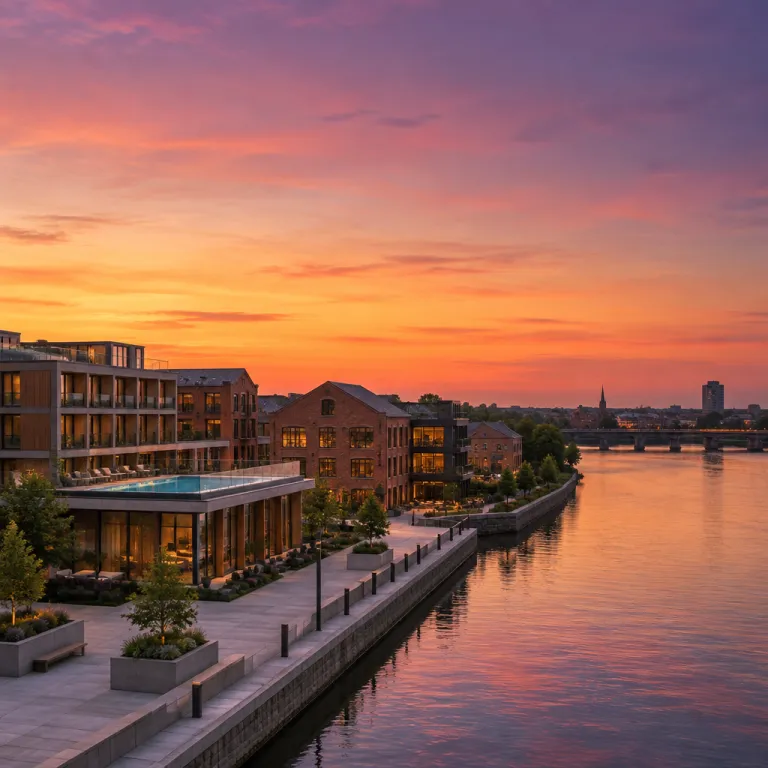
Why emerging luxury travel destinations are leaving the capitals behind
Luxury travelers are quietly rewriting the map of high end travel. As tourism pressure mounts in the classic first tier capitals, the most interesting luxury hotels are opening in emerging destinations that promise space, context, and a slower rhythm. For anyone planning a luxury vacation or solo trip, the real question is no longer which famous city to visit, but which second city will give the most resonant travel experience.
Overtourism has made it harder to feel a genuine connection in some flagship cities, so luxury tourism investors are looking to smaller cities and coastal enclaves with strong culture and natural beauty. These new luxury hotels are designed around meaningful travel experiences rather than spectacle, with travel experts and local partners curating access to artisans, food markets, and traditional festivals. The result is a new generation of emerging luxury travel destinations where the best luxury stays feel both polished and deeply rooted in place.
For travelers using a specialist travel agency or a curated booking website, this shift brings two advantages that matter. First, rates in a second city destination often remain more accessible, especially in the shoulder season when the weather is still pleasant but crowds thin dramatically. Second, the overall travel experience feels more personal, because the city is not yet saturated with mass tourism and the local community still has the bandwidth to engage, teach, and guide visitors who genuinely want to learn.
What a second city needs to become a true luxury destination
Not every smaller city or island can support serious luxury travel, no matter how photogenic it looks on social media. A place graduates into the circle of emerging destinations only when three elements align : cultural depth, ease of access, and a hospitality écosystème capable of sustaining world class luxury hotels. When those pieces click, you feel it in the first hour of your travel experience, from the airport transfer to the first conversation with a local guide.
Cultural depth means more than a pretty old town ; it requires living traditions, contemporary creativity, and stories that travelers can actually experience rather than just observe. In a second city with real potential, you might explore a traditional market with a chef, learn regional recipes in a private home, then attend a small gallery opening that reveals how the city sees itself today. These are the kinds of travel experiences that turn a simple trip into a layered luxury vacation, and they are exactly what the best luxury agencies now prioritize when they curate new travel destinations.
Access matters just as much, because even the most alluring national park or coastal bay loses appeal if reaching it feels punishing instead of adventurous. Smart luxury travelers look for emerging luxury travel destinations that pair a manageable flight with efficient rail or road links, allowing more time for experiences and less time in transit. When that infrastructure is in place, refined properties follow, from hill country retreats like the best hotels in Fredericksburg for a quiet, design led stay to discreet city addresses that feel like private residences rather than anonymous towers.
Regions on the rise : from hill country to high desert and harbor cities
The most compelling emerging luxury travel destinations share a pattern : strong sense of place, layered history, and landscapes that invite slow exploration. In the United States, refined travelers are looking beyond the obvious coastal hubs toward smaller cities with character, where a weekend trip can combine art, food, and nearby natural beauty. A well chosen travel agency will now suggest a second city stay in places like Greensboro, where the best hotels in Greensboro pair Southern hospitality with quietly confident design.
Across Europe, the second city shift is even more pronounced, as luxury travel itineraries pivot from saturated capitals to smaller cities with serious culture and easier access to countryside. Think of a traveler who pairs a stay in Venice with a few nights in a lesser known lagoon town, guided by a specialist who understands both the grand canal and the quieter islands. Articles such as the in depth review of the Danieli’s transformation into a Four Seasons, available on this detailed Venice grande dame hotel analysis, show how even legendary addresses are rethinking their role within a wider regional network of destinations.
Further afield, luxury tourism capital is flowing into coastal and desert regions of the Middle East, where new hotel openings are anchored by strong stories about landscape and heritage. Here, emerging destinations often sit within a few hours of a major hub city, allowing travelers to split their trip between a dynamic urban experience and a quieter retreat. For luxury travelers, this combination of cities and remote escapes offers the best luxury balance : one part energy, one part stillness, all threaded together by a coherent travel experience.
Nature, seasons, and the new definition of luxury experiences
One of the clearest signals in luxury travel is the growing appetite for nature led experiences that still feel refined. Emerging luxury travel destinations are leaning into this by framing their hotel openings around access to national park landscapes, dark sky reserves, and coastlines where the night sky still feels vast. For many travelers, the chance to witness the northern lights or a rare solar eclipse from a quiet lodge has become the new definition of the best luxury experience.
Seasonality plays a crucial role here, because the same destination can feel entirely different in peak months versus the shoulder season. Travel experts now design itineraries that time a trip to coincide with a specific natural event, whether that is the migration of wildlife in a national park or the optimal window for viewing the northern lights. When a travel agency understands these nuances, it can guide luxury travelers toward dates when the destination is at its most magical yet still free from heavy tourism pressure.
The environmental dimension matters as well, as more travelers ask how eco friendly their luxury vacation can realistically be without sacrificing comfort. In the most thoughtful emerging destinations, luxury hotels are integrating renewable energy, low impact materials, and partnerships with local conservation projects rather than treating sustainability as an afterthought. This is where a well informed guide or agency becomes invaluable, helping you learn which properties are genuinely committed to eco friendly practices and which are simply following a trend in language rather than in action.
How to spot the next wave of emerging luxury travel destinations
For solo explorers and independent travelers, the art now lies in reading the early signals before a place becomes a headline. One reliable indicator is the pattern of hotel openings : when a respected luxury brand commits to a smaller city or island, it usually reflects deep research into long term tourism potential. Another is the presence of serious local partners, from chefs and architects to cultural institutions, who are ready to collaborate on meaningful travel experiences rather than one off spectacles.
Listening to seasoned travel experts can also help you separate hype from genuine momentum, especially when they have a track record of calling emerging destinations early. Pay attention to how they describe a destination’s story, whether they highlight traditional crafts, contemporary creativity, or access to natural beauty that feels both fragile and well protected. When multiple independent voices align on a city or region, and when a few specialist agencies quietly add it to their luxury travel portfolios, you are likely looking at the next chapter in emerging luxury travel destinations.
Finally, trust your own instincts as you explore maps, read guides, and speak with a travel agency that understands your style. If a destination offers a mix of walkable city neighborhoods, nearby wilderness such as a national park, and a handful of thoughtfully run luxury hotels, it deserves a closer look. The second city shift rewards travelers who are willing to learn, to ask questions of local hosts, and to value the kind of travel experience that lingers long after the last airport transfer fades from memory.
FAQ
How do I know if a second city is ready for luxury travel ?
Look for a combination of quality luxury hotels, reliable access, and a clear cultural narrative that you can experience on the ground. If a respected travel agency or independent travel experts are starting to feature the city in curated itineraries, that is usually a strong sign. A good test is whether you can plan three full days of varied experiences without repeating the same neighborhood or attraction.
Are emerging luxury travel destinations more affordable than major capitals ?
In many cases, yes, especially outside peak season and during the shoulder season when demand is lower. Room rates in second cities often represent better value for the same level of service and design compared with flagship capitals. You also tend to spend less on transfers and more on actual experiences, which improves the overall value of the trip.
Can I plan these trips myself, or do I need a travel agency ?
Independent travelers can certainly research and book online, particularly if they are comfortable navigating local transport and language. However, a specialist travel agency with a focus on luxury travel can unlock access to guides, private experiences, and hotel benefits that are hard to secure alone. For complex itineraries that combine cities, wilderness, and time sensitive events like a solar eclipse, expert support is often worth the investment.
How important is sustainability when choosing emerging destinations ?
Sustainability is increasingly central, because emerging destinations can be vulnerable to rapid tourism growth. Choosing eco friendly properties and operators who work closely with the local community helps ensure your presence has a positive impact. When in doubt, ask hotels and agencies specific questions about energy use, local hiring, and support for conservation before you confirm your booking.
What types of experiences define modern luxury in these places ?
Modern luxury in second cities and remote regions is less about excess and more about access. Travelers value intimate cultural encounters, time in nature, and flexible itineraries that adapt to weather, season, and personal energy. A perfect day might combine a quiet morning in a national park, an afternoon learning from a local artisan, and an evening in a small restaurant where the chef explains every traditional dish at your table.