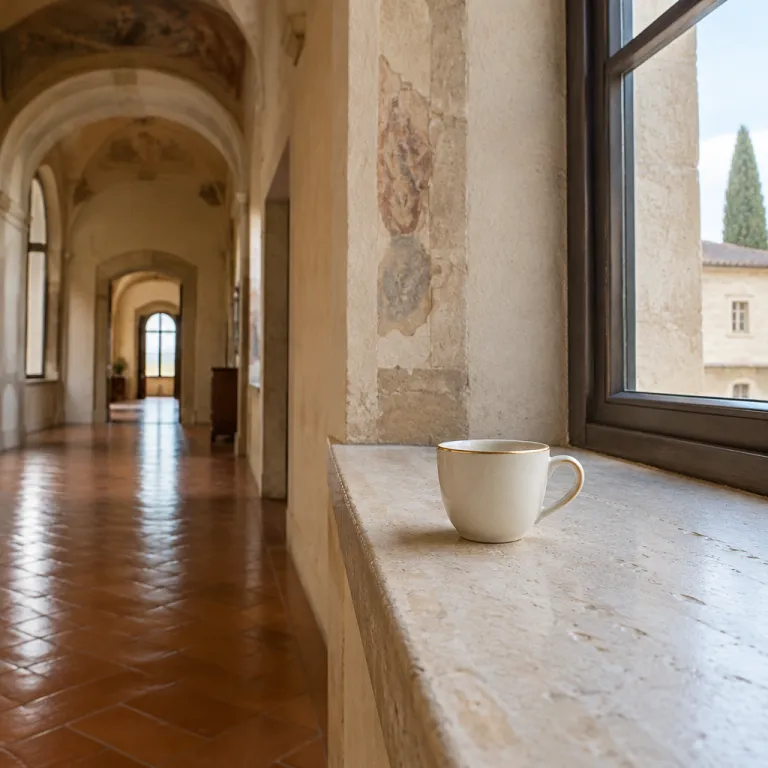
When a heritage hotel in a restored palazzo becomes a place to live, not just sleep
Choosing a heritage hotel in a restored palazzo is less about ticking a luxury box and more about deciding which story you want to inhabit. The most thoughtful hotels treat each palazzo as a long term cultural project, where every corridor, courtyard and cornice must balance historic integrity with contemporary ease for guests who expect both. As a solo traveler, you feel this immediately in how the property frames your arrival, how the rooms are introduced and how the team explains what has been kept, what has changed and why.
In a strong heritage conversion, the architectural narrative is not background décor but the spine of the hospitality experience. You see it in how public areas are zoned, how circulation plans respect original buildings while still allowing intuitive movement from lobby to bar to rooms without confusion. In Italy, for example, many listed palazzi in Venice and Florence must follow strict protection rules under national heritage codes, so you may notice how staircases, frescoed ceilings or stone portals are preserved while secondary areas absorb most of the contemporary design work.
This transparency matters because protection of a historic property is always a negotiation with modern comfort. A heritage hotel in a restored palazzo will rarely have perfectly standardized rooms, and that is part of the appeal if you understand the architectural compromises behind it. When you book, look for language that treats restoration as an ongoing project rather than a one off marketing hook, because that usually signals serious stewardship rather than cosmetic design gestures, and it often means the restoration plans have been developed with conservation architects rather than only interior decorators.
Reading the architecture: how design choices tell you what was saved and what was sacrificed
Once you step inside a heritage hotel in a restored palazzo, the architecture starts talking if you know how to listen. Ceiling heights, window proportions and the way light moves through rooms will tell you which parts of the palazzo remain close to their historic state and which have been reworked to accommodate modern systems. Pay attention to how contemporary design elements sit alongside original stone, timber or stucco, because this dialogue reveals the philosophy behind the restoration project and whether the plan was led by conservation or by short term fashion.
Some of the most successful heritage hotels treat their buildings as living archives rather than frozen museum pieces. In cities such as Venice, Lisbon or Dubrovnik, you might see a grand staircase preserved in its original form, while adjacent areas have been opened up to create a more fluid hospitality flow between lounge, bar and restaurant. This kind of architectural editing respects protection guidelines yet still allows the property to function as a comfortable urban retreat, and it often aligns with the thoughtful conversions highlighted in guides to luxury hotels where architecture tells the story.
Look closely at the junctions where old meets new, because that is where the restoration plans are most legible. A glass lift inserted into a former light well, or climate control discreetly integrated into wall panels, shows how the project team chose to enhance comfort without overwhelming historic character. When these interventions feel calm and inevitable rather than showy, you are usually in a property where the design plan has been led by the building itself, not by a passing aesthetic trend, and where the project offering has been shaped in dialogue with local heritage authorities.
The comfort trade off: what heritage preservation gives you, and what it quietly takes away
Staying in a heritage hotel in a restored palazzo means accepting that perfection looks different from a new build tower. You gain a layered sense of place, the creak of original floorboards and the way certain rooms frame the city in ways no contemporary buildings can replicate. You may also accept quirks such as slightly irregular layouts, fewer sockets in historic walls or urban noise filtering through centuries old windows that were never designed for double glazing, especially in dense historic areas where nightlife and traffic are part of the streetscape.
The best heritage hotels are honest about these trade offs and work intelligently around them. They will use restoration to enhance comfort where possible, perhaps by insulating internal walls, refining climate control plans or reconfiguring secondary areas to create quieter room categories for light sleepers. When you read pre arrival information, look for clear explanations of room types, because a palazzo suite carved from a former ballroom will feel very different from a compact chamber tucked under the eaves, and responsible properties will usually map these differences on simple floor plans or room comparison charts.
For solo travelers, the question becomes whether the emotional gain outweighs the occasional inconvenience. A heritage hotel in a restored palazzo can offer a deeper sense of belonging than many new hotels, especially when the property has invested in public spaces that encourage lingering rather than retreating to your room. If you are unsure, compare the experience with a thoughtfully designed contemporary tower that still values narrative, such as the nature led vertical luxury explored in this analysis of heritage palace or new build hotels, and decide which kind of story you want your stay to tell.
How to choose the right palazzo: practical criteria for solo travelers
When you are booking a heritage hotel in a restored palazzo, start with the building’s original purpose. Was the palazzo a private residence, a civic property or a mercantile hub, and how do those origins shape today’s rooms, circulation and public areas. Former noble residences often offer grand architectural gestures but fewer identical rooms, while ex commercial buildings may deliver more consistent layouts but slightly less romantic proportions, a pattern you can see in many converted banks and trading houses across European historic centers.
Location within the urban fabric matters just as much as the façade. A palazzo on a main thoroughfare will plug you straight into city life but may bring more ambient noise, whereas one in quieter areas might offer calmer hospitality at the cost of longer walks or transfers. Study floor plans where available, because they reveal how the restoration project has handled vertical circulation, emergency exits and the integration of accessibility features into a historic shell, and they help you visualize whether your preferred room category sits near busy courtyards, service zones or peaceful internal gardens.
As a solo traveler, prioritize how the property makes you feel both safe and seen. Look for design that creates natural sightlines in corridors, well lit staircases and public rooms that encourage relaxed solo dining without awkwardness. A heritage hotel in a restored palazzo that has invested in intuitive wayfinding, clear signage and thoughtful staff training will usually have taken the same care with less visible aspects of protection, from fire safety to structural reinforcement, even if those details never appear in the marketing copy, and you can always email the hotel in advance with a short checklist of your own needs.
Living with the layers: when a restored palazzo becomes part of your own travel story
After a few nights in a heritage hotel in a restored palazzo, you start to map your own rituals onto the building’s long memory. Morning light in a particular corner of the breakfast room, the sound of footsteps on stone as you return late, the way staff greet you by name at a reception desk that once handled very different business. These small repetitions turn an imposing architectural project into a place that quietly feels like yours, even if only for a short stay, and they show how well the hospitality team has translated an abstract restoration plan into lived experience.
The most accomplished heritage hotels understand that their greatest amenity is not the marble but the narrative continuity they offer. They will often curate small exhibitions about the palazzo’s past, host talks with local historians or partner with nearby cultural institutions to enhance the sense of context beyond the property walls. Over time, these efforts create a project offering that extends into the surrounding urban areas, so your stay becomes a gateway into the city’s wider historic and contemporary life rather than a sealed off luxury bubble, and you leave with a clearer sense of how the building fits into the city’s architectural evolution.
When you leave, what tends to linger is not the thread count but the feeling of having inhabited a building that has seen far more than you have. A heritage hotel in a restored palazzo can recalibrate your expectations of what hospitality should do, especially when the restoration plan has been handled with both rigor and warmth. If that experience resonates, you may find yourself seeking out other architecture led stays, from palatial conversions to vertical eco towers such as those examined in the context of nature led luxury architecture, always asking the same quiet question; does this building help me feel more connected to where I am.
FAQ
What should I check before booking a heritage hotel in a restored palazzo
Start by confirming whether the property is officially listed or protected, because that affects what kind of alterations are allowed. Review floor plans or room descriptions to understand potential quirks such as irregular layouts, steps inside rooms or limited lift access. Finally, read recent guest feedback that mentions noise, climate control and Wi Fi, since these are the areas where historic buildings most often struggle to match contemporary expectations, and use that information to decide whether the hotel’s restoration plans align with your comfort priorities.
Are rooms in a restored palazzo usually smaller than in modern hotels
Room sizes in a heritage hotel in a restored palazzo can vary widely, because they are often carved from existing volumes rather than built to a standard grid. Grand suites may occupy former salons with generous proportions, while entry level rooms might be shaped by leftover spaces around stairwells or courtyards. When size matters to you, focus less on star rating and more on the square meter figures given in the room descriptions, and remember that irregular shapes can sometimes feel more spacious than strictly rectangular plans.
How do heritage hotels balance preservation with modern comfort
Responsible heritage hotels work with conservation architects and engineers to integrate modern systems as discreetly as possible. They may hide climate control within existing wall cavities, use secondary glazing on windows or route new plumbing through less sensitive areas of the building. The goal is to enhance comfort and safety without compromising key historic features, and the most transparent properties will explain these choices in their in room literature or on guided tours, sometimes sharing diagrams of the restoration project to show how the design protects original fabric.
Is a heritage palazzo stay suitable for solo travelers concerned about safety
Many heritage hotels in restored palazzi are excellent for solo travelers, provided they have invested in modern safety infrastructure. Look for clear emergency exit routes, staffed reception around the clock and well lit access from street to lobby. If you are unsure, contact the property directly to ask about security measures, late night access and whether certain room locations feel more secure for guests traveling alone, and consider requesting a room closer to public areas if that will enhance your sense of comfort.
Why might I choose a restored palazzo over a new luxury hotel
A heritage hotel in a restored palazzo offers a sense of place that most new builds cannot replicate, because the architecture and patina carry the city’s history into your stay. You trade some standardization for character, gaining unique rooms, atmospheric public spaces and a narrative connection to the destination. For many travelers, especially those exploring alone, that feeling of sleeping inside a story is worth more than perfectly uniform layouts or the latest design trend, and it turns the building itself into a central part of the journey rather than just a backdrop.