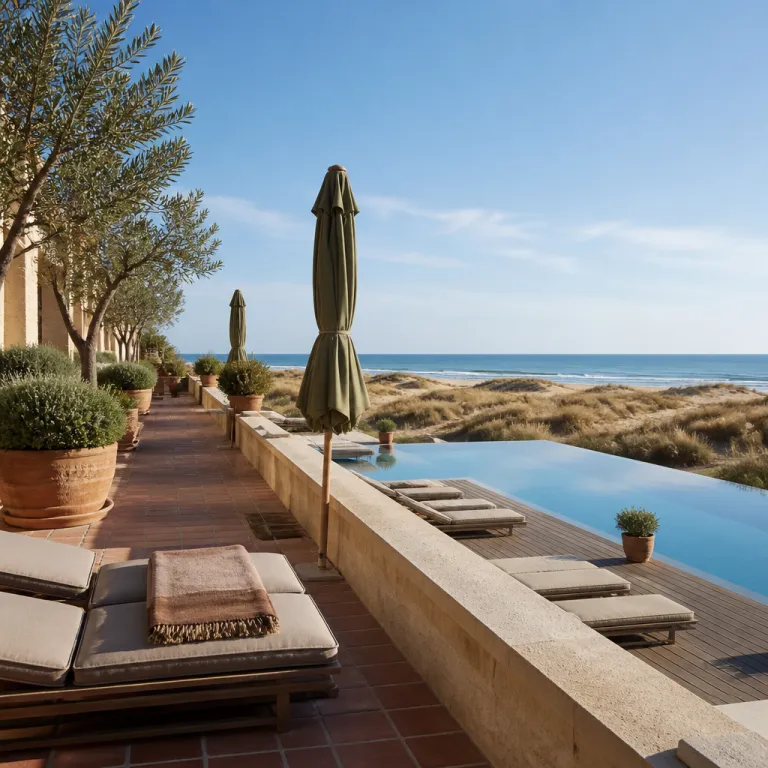
Why shoulder season luxury travel makes great hotels feel personal
By early September, the peak summer rush has thinned to a murmur. For luxury travelers, this is the moment when a famous destination finally has the time and space to show its real character, and when shoulder season luxury travel stops being a compromise and becomes the season best suited to a more thoughtful journey. You still enjoy the same legendary address and the same view, but with fewer crowds and a staff that can focus on nuance rather than sheer volume.
In high season, even the most polished luxury hotel is managing peak demand, from breakfast buffets to sunset cocktails. Once the shoulder of the year arrives, staff to guest ratios quietly improve, restaurant reservations open up, and the concierge has time to turn a standard travel request into a tailored experience that shapes your entire time journey. This is when travelers shoulder less stress and more pleasure, because the property can finally operate at the level its reputation promises rather than the level peak season pressures allow.
Think of a grand lakeside destination in Europe in late September, or a Mediterranean palace hotel in early June before peak summer fully bites. The same suite that felt rushed in August suddenly feels like a private residence, and the same journey through the lobby becomes a calm daily ritual rather than a shuffle through crowds. For independent travelers planning shoulder season travel, this is the best time to see how a luxury property really behaves when it is not fighting the clock and the calendar.
Rates, value and the quiet power of sustainable luxury
Room rates are not mysterious ; they are a direct reflection of demand across each season. In August on the Amalfi Coast or during high season in the French Riviera, you pay for peak summer scarcity, while in shoulder season luxury travel windows such as late September October you often pay materially less for the same room and a better experience. The best time to secure value is when the hotel is still in full operation but the crowds have eased, and when the weather remains pleasant enough to enjoy the destination without compromise.
Luxury travel revenue managers work with detailed data models that track every year of demand, and they know exactly when peak season tips into softer shoulder weeks. That is why a suite overlooking wine regions in Tuscany or the Douro can drop by 20 to 30 percent once harvest begins, even as the experience arguably improves thanks to seasonal activities and more attentive service. For travelers, understanding this season travel pricing curve turns a dream journey into a rational decision rather than an indulgence, especially when you combine flexible rates with loyalty benefits that are more generous when occupancy is lower.
There is also a sustainability angle that matters more with every travel trends report. Hotels that take sustainable luxury seriously often use the shoulder of the season to reduce energy use, fine tune operations and support local producers, which can make your stay both lighter on the planet and richer in local experiences. If you care about how sustainable luxury actually works inside a hotel, this quieter time visit is ideal for meaningful conversations with the équipe and for seeing policies in action rather than on a brochure, and you can explore this further in our guide on what sustainable luxury actually means inside a hotel.
Where September shines: Mediterranean coasts, lakes and wine regions
Some destinations are built for shoulder season luxury travel, and Europe currently leads that list. Along the Mediterranean, the sea is still warm in late September October, the light is softer, and the weather is stable enough for long lunches on shaded terraces with a clear view of the water. The same applies to the Italian lakes, where peak summer heat gives way to cooler evenings and fewer crowds on the promenades, making every short journey between villages feel more relaxed.
Harvest time in wine regions such as Tuscany, Piedmont and the Douro Valley overlaps perfectly with this shoulder season, adding a layer of authenticity that high season cannot match. You can walk through vineyards during the busiest time of the agricultural year, then return to a luxury property where the chef builds menus around what just came in from nearby fields, creating experiences that feel rooted rather than staged. For solo travelers, this is also the best time to join small group tastings or a river cruise along the Douro, because the mix of guests is more curious and less hurried than in peak season.
Rail aficionados will find that a luxury train journey across Central Europe or the Scottish Highlands is often more comfortable in spring and autumn, when the landscape is lush and the carriages are not at full capacity. Pairing such a time journey with stays at grand city hotels in so called second cities can be especially rewarding, and our report on the new geography of luxury explains why these destinations are winning the hotel race. For those who care about style on the move, this is also when refined travel wardrobes come into their own, and our feature on Grand Le Mar redefining luxury menswear for discerning travelers offers a useful reference point.
How to book shoulder season like an insider
Planning shoulder season luxury travel starts with understanding each destination’s real calendar rather than relying on generic advice. In Southern Europe, early June and late September October are usually the best time windows, while in Northern Europe the sweet spot often sits between late spring and the first weeks after the summer school holidays. For long haul journeys, think in terms of regional weather patterns and local festivals, because a quiet week on paper can still feel like peak season if a major event fills every room in town.
When you book, use flexible rates strategically rather than automatically choosing the cheapest non refundable option. In shoulder season, hotels are more open to upgrades, late check outs and added value for direct bookings, especially for repeat travelers who show loyalty across more than one year. A short, polite email to the reservations équipe outlining your journey, your preferred view and any special interests can lead to curated experiences that would be impossible to arrange during peak summer, when staff simply do not have the time.
Finally, be honest with yourself about trade offs, because shoulder season is not magic. Days are shorter, some restaurants or beach clubs may close earlier, and the weather can be more variable than in high season, especially in coastal destinations where storms roll through quickly. If you accept these variables and build a flexible time visit plan, the reward is a calmer rhythm, fewer crowds, and a level of attention from the hotel that turns a standard trip into a quietly exceptional journey.
FAQ
Is September really the best time for luxury travel in Europe ?
For many travelers, September is the best time to travel Europe in comfort. The weather is usually still warm, peak season crowds have eased, and luxury hotels often reduce rates while maintaining full services. This combination makes September a strong shoulder season choice for both value and overall experience.
How much cheaper are luxury hotels in shoulder season compared with peak summer ?
Price differences vary by destination and year, but in many European resorts the same suite can cost 15 to 30 percent less in late September October than in August. You often gain better staff attention and easier restaurant access at the same time. This improved ratio of price to experience is why many insiders prefer shoulder season luxury travel.
Are there downsides to booking in the shoulder of the season ?
There are trade offs to consider when you plan season travel outside high season. Days are shorter, some venues may close earlier, and weather can be less predictable, especially near the coast. If you build flexibility into your journey, these factors usually feel minor compared with the benefits of fewer crowds and calmer hotels.
Which European destinations work best for a first shoulder season trip ?
For a first journey, look at Mediterranean coasts, Italian lakes and major wine regions such as Tuscany or the Douro. These destinations keep strong services running into the shoulder season and offer rich local experiences tied to harvest and late summer light. They also have good transport links, making it easier to adjust plans if the weather changes.
How far in advance should I book luxury hotels for September shoulder dates ?
For iconic properties in high demand destinations, aim to book three to six months ahead for the best time and room choice. In less saturated cities, you can often wait until closer to your time visit, especially if you are flexible on exact dates. Always monitor travel trends and local events, because a major festival can turn a quiet shoulder week into an unexpected peak season.