Why serious luxury now lives and dies by sustainability metrics
In high end hotels, sustainability is no longer a side project. Luxury brands now treat environmental performance as a core management pillar, measured with the same discipline as RevPAR and guest satisfaction scores. For couples choosing a hotel for a romantic escape, those hidden sustainability indicators quietly shape comfort, air quality, and even the taste of breakfast.
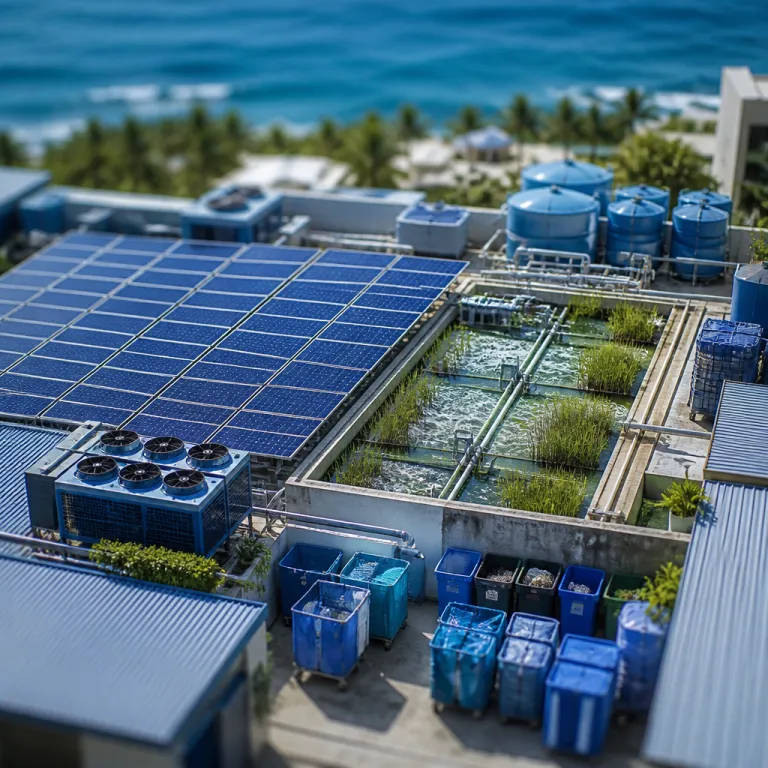
Behind the scenes, detailed environmental audits track energy per occupied room, water per guest night, and the volume of waste that avoids landfill. These reviews are structured events, with pre audit preparation, on site inspections, and post audit reporting that feed into long term investment plans and ESG reporting for owners. When you see a calm, candlelit spa or a perfectly tempered suite, you are also seeing the result of precise energy and water management that reduces emissions without sacrificing indulgence.
Auditors use energy meters, water flow meters, and detailed checklists to evaluate hotel sustainability practices across the entire property. They measure average energy consumption per occupied room, which global benchmarks place around 40 kilowatt hours, and average water usage per guest night, which sits near 300 litres in many properties. These reference values are drawn from aggregated industry studies by organisations such as the Sustainable Hospitality Alliance and the International Tourism Partnership, which analyse anonymised data from thousands of hotels worldwide. The resulting environmental data points are then compared with global sustainable hospitality indices, and the findings influence everything from room design to which hotels qualify for green financing tiers and corporate travel contracts.
The metrics that matter: energy, water, waste and emissions
When a luxury hotel undergoes a sustainability audit, the first key metric is energy intensity. Auditors calculate how much energy each occupied room consumes, how efficiently HVAC systems run, and how that translates into carbon emissions per square metre. For you as a guest, this can mean better thermal comfort, quieter systems, and a more refined guest experience that feels effortless rather than aggressively eco themed.
Water is the second pillar, measured as water per guest night and as total water performance across pools, spas, and laundry. Audits look at water waste from showers, irrigation, and cooling towers, then assess how much is reused or treated, and how much becomes a hidden environmental impact downstream. Couples who care about sustainable tourism can ask hotels for these numbers, because properties that manage water well usually manage service, maintenance, and long term planning well too.
The third cluster of indicators focuses on waste diversion ratios, food waste volumes, and the elimination of single use plastics. Auditors examine how much waste is recycled, composted, or sent to waste to energy plants, and how much still goes to landfill, then cross check those figures against sustainability claims in marketing. This is where serious hotels move beyond bamboo straws, redesigning menus to cut food waste, rethinking amenities to remove single plastics, and using transparent reporting to qualify for preferred vendor lists on leading luxury booking platforms for discerning travelers. At properties like the Six Senses and Soneva resorts, for example, on site waste sorting, glass upcycling, and detailed food waste tracking have become part of the guest narrative rather than a backstage secret.
To make these concepts easier to compare, many auditors summarise core indicators in a simple table or dashboard. A typical snapshot might include columns for energy per occupied room (kWh), water per guest night (litres), waste diversion rate (percentage kept from landfill), and associated carbon emissions, alongside the source of the benchmark used. For travelers, even a compact visual summary like this helps translate abstract sustainability language into concrete performance you can understand at a glance.
Inside certifications: how to read green labels on luxury properties
Most couples now encounter a forest of green labels when browsing luxury hotels online. Names like LEED, BREEAM, Green Key, Green Globe, and the EU Ecolabel signal that a third party has checked sustainability practices against defined standards. The reality is that each certification focuses on different aspects of hotel sustainability, from building design to daily operations, and understanding those nuances helps you choose properties that match your values.
LEED and BREEAM concentrate on environmental design and construction, measuring energy performance, water efficiency, and materials, which is why many newly built luxury properties pursue them from the blueprint stage. Green Key and Green Globe focus more on operational sustainability practices, including energy and water management, food waste reduction, and staff training, while the EU Ecolabel for tourist accommodation adds strict criteria on detergents, waste, and emissions. When a hotel is eco certified under these schemes, it has passed a structured sustainability audit that includes data collection, staff interviews, and on site inspections.
For guests, certified hotels offer a practical shortcut to identifying sustainable luxury without reading a full ESG reporting document. Look for properties that combine a strong certification with honest communication about environmental impact and long term goals, rather than only highlighting awards. Many of the most interesting low impact luxury escapes use certifications as a baseline, then go further with regenerative landscaping, local sourcing, and transparent sustainability reporting. The Brando in French Polynesia, for instance, pairs building certifications with daily operational audits and publishes clear data on its renewable energy microgrid and seawater air conditioning system.
Following the money: why sustainability now shapes rates and room keys
Luxury hotel sustainability performance metrics are no longer just about environmental virtue. Banks, investors, and corporate travel buyers now use these indicators as key criteria for green financing tiers and preferred supplier lists. Properties without documented sustainability practices are being excluded from preferred vendor programs, green financing tiers, and corporate travel contracts (Verdant/Copeland).
For a couple booking a special trip, this financial shift has subtle but real consequences for the guest experience. Hotels that secure better financing for sustainable projects can invest in quieter, more efficient energy systems, refined water treatment, and higher quality materials that age gracefully, all of which you feel in the room even if you never see the spreadsheets. When a hotel can show robust ESG reporting, with clear data on emissions, water waste, and waste diversion, it is more likely to attract long term capital and maintain high service levels through economic cycles.
This is also where greenwashing red flags appear, especially in the luxury segment where marketing budgets are generous. Be wary of properties that make sweeping sustainability claims without publishing any environmental impact data, third party certifications, or clear sustainability practices beyond linen reuse cards. By contrast, some of the most credible luxury properties, including next generation experiences such as innovative sailing superyachts, share specific numbers on fuel use, waste management, and emissions reduction, accepting that perfection is less believable than transparent progress. Independent sustainability consultancies such as Greenview or EarthCheck often support these disclosures, adding another layer of verification.
How couples can read, question and use sustainability audits when booking
For travelers, the most powerful shift is that sustainability data is slowly moving from back office spreadsheets to public facing dashboards. When you evaluate luxury hotels, look for clear reporting on energy per occupied room, water per guest night, and waste diversion, ideally benchmarked against regional or global sustainable hospitality indices. A hotel that shares these numbers, even when they are not perfect, usually has a stronger culture of accountability and continuous improvement.
Before booking, ask the hotel to explain its sustainability practices in concrete terms rather than slogans. You can request information on certifications such as Green Key, Green Globe, or the EU Ecolabel, ask whether the property is eco certified by a recognized tourism council, and inquire how it manages food waste, single plastics, and local sourcing. Many luxury hotel sustainability auditors encourage guests to ask direct questions, because engaged travelers reinforce the business case for sustainable tourism and help properties justify long term investments.
During your stay, small choices can align your guest experience with the hotel sustainability strategy without feeling like sacrifice. Support eco friendly options that do not compromise comfort, such as filtered water in glass bottles instead of plastic, thoughtfully designed lighting controls, and menus that highlight seasonal produce to reduce environmental impact from transport. Inquire about the hotel’s sustainability initiatives, support eco friendly practices during your stay, and remember that an evaluation of a hotel's environmental and social practices, often called a hotel sustainability audit, exists precisely to make those choices easier for you without turning your holiday into a research project.
FAQ
What is a hotel sustainability audit in the luxury segment ?
A hotel sustainability audit in the luxury segment is a structured evaluation of environmental and social practices, covering energy use, water management, waste handling, and community impact. Luxury hotel sustainability auditors collect data, interview the hotel management team, and inspect the property to verify that sustainability practices match stated policies. The findings feed into ESG reporting, certification processes, and long term investment decisions that shape both environmental impact and guest comfort.
Which sustainability metrics should travelers pay attention to when booking ?
Travelers should focus on energy consumption per occupied room, water usage per guest night, and waste diversion rates, because these metrics reveal how efficiently a hotel runs its core operations. Benchmarks such as an average of around 40 kilowatt hours of energy per occupied room and 300 litres of water per guest night, drawn from industry studies by the Sustainable Hospitality Alliance and similar bodies, provide useful context when hotels share their own data. It is also worth checking whether the property tracks emissions, food waste, and single plastics, and whether those figures are verified by a third party certification body.
How do certifications like Green Key and Green Globe differ from LEED or BREEAM ?
LEED and BREEAM focus primarily on the environmental design and construction of buildings, assessing elements such as insulation, glazing, and energy systems. Green Key, Green Globe, and the EU Ecolabel concentrate more on daily operations, including sustainability practices in housekeeping, food and beverage, and guest engagement. For travelers, combining a building certification with an operational certification usually signals a deeper commitment to sustainable luxury across the full life cycle of the property.
How can I tell if a luxury hotel is greenwashing its sustainability claims ?
Signs of greenwashing include vague sustainability claims without any data, a heavy focus on symbolic gestures such as bamboo straws, and no mention of third party audits or certifications. Genuine sustainable tourism leaders publish clear environmental impact figures, explain their methodology, and acknowledge where they still need to improve. When in doubt, ask for recent ESG reporting or certification reports, and see whether the answers are specific and transparent or purely marketing language.
Does choosing a more sustainable luxury hotel mean sacrificing comfort ?
In well run properties, strong sustainability performance usually enhances comfort rather than reducing it. Efficient energy and water systems provide more stable temperatures, better air quality, and reliable hot water, while thoughtful design reduces noise and improves sleep quality. The best certified hotels integrate eco measures so seamlessly that couples enjoy a refined guest experience while quietly reducing their environmental footprint.