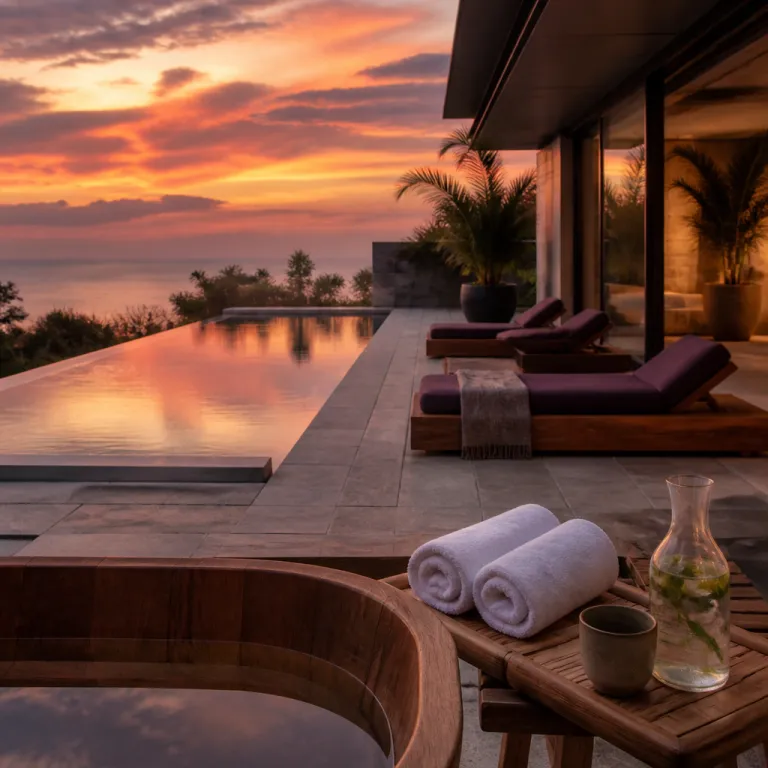
How luxury hotel wellness programs really work in 2026
From spa menu to wellness philosophy: how real programs work
A world class luxury hotel wellness program in 2026 is not a scented candle next to a spa brochure. It is a fully integrated philosophy that shapes how the hotel designs its rooms, trains its team, curates its resort spa partners, and measures guest outcomes across body and mind. When you check into a true wellness resort, every touchpoint from pre arrival questionnaires to the final check out is orchestrated to support long term well being rather than a single indulgent night.
The most serious hotels treat wellness as a core brand pillar, not a marketing add on beside the spa wellness menu. Preferred Hotels & Resorts, for instance, created the Preferred Wellbeing designation in 2023 to highlight each selected luxury hotel where wellness programs influence architecture, culinary concepts, and even the way guests move between public spaces, residences, and suites. Peninsula Hotels followed a similar path with its Life Lived Best program, launched in 2021, which threads movement, mindfulness, and nutrition through every property rather than isolating them in a single retreat wing or resort annex.
At Halekulani Hotel in Hawaiʻi, the Art of Wellbeing program illustrates how a hotel can turn a beachfront spa into a deeper wellness retreat. Multi day journeys typically run three to five nights and combine lectures, movement classes, and treatments that connect guests to the local community and landscape instead of offering generic massages with a nice ocean view. Capacity is intentionally limited to small groups so practitioners can adjust schedules and intensity, and pricing usually sits in the upper luxury bracket, on par with other five star wellness retreats in Hawaiʻi. This kind of integration is what separates a genuine wellness retreat from a standard luxury resort that simply added a yoga class beside the pool.
Medical wellness, sleep science, and the new standard of care
The sharpest luxury hotel wellness program in 2026 borrows as much from clinical medicine as from traditional spa culture. Medical wellness retreats now pair physicians, nutritionists, and physiologists with hoteliers, so guests receive structured programs that address sleep, stress, and metabolic health rather than vague promises about balance. When you compare wellness retreats, look for clear information about medical oversight, evidence based protocols, and how the hotel will check your progress during and after the stay.
Sleep optimization has become the quiet arms race of high end wellness resort design. Leading properties calibrate rooms with chronobiology informed lighting, temperature zoning, and soundproofing, then layer in pillow menus, breathable natural fibers, and pre sleep rituals guided by spa wellness teams. Hospitality Net reported in 2023 that sleep programs, individualized fitness plans, tailored spa services, and dietary accommodations have shifted from niche perks to baseline expectations for discerning guests who book a luxury hotel primarily for restoration.
For couples using premium booking platforms, the most efficient way to navigate this new landscape is to combine expert reviews with smart tools. A curated guide to the best luxury hotel booking apps for elevated travel experiences can help you filter by wellness retreat credentials, spa facilities, and medical partnerships before you even select dates. Once you have narrowed the field, always check availability for the exact program you want, because the most intensive resort spa itineraries often have limited capacity and fixed arrival windows.
Personalization before you arrive: assessments, data, and design
True personalization in a luxury hotel wellness program starts long before you step into the lobby. Serious wellness resorts send detailed pre arrival assessments that ask about sleep patterns, injuries, stress levels, and goals for both body and mind, then use these data points to build a schedule that feels more like a private retreat than a generic package. When you check your confirmation, you should see not only your room type and selected dates, but also a draft of your wellness retreat plan with time for rest, diagnostics, and unstructured exploration.
Preferred Wellbeing properties and Life Lived Best hotels increasingly integrate this information into the physical design of rooms and residences. Lighting scenes, minibar contents, and even the placement of yoga mats or meditation cushions are adjusted according to your profile, so the space itself becomes part of the program rather than a neutral backdrop. At the most advanced wellness resort addresses, spa therapists, fitness coaches, and nutritionists all have secure access to your preferences, which allows them to check in with relevant suggestions instead of pushing generic spa wellness upsells.
For couples planning a milestone trip, this level of tailoring is where a premium booking website earns its keep. Look for platforms that highlight whether a resort spa offers pre arrival consultations by video, and whether the hotel can adapt menus for complex dietary needs without fuss. Our own guide to whether real luxury lives in heritage palaces or new builds explains how architecture, layout, and even corridor design can either support or undermine the quiet focus that a serious wellness retreat requires. A typical day might include a sunrise movement class, mid morning diagnostics, an afternoon nature immersion, and an evening sleep ritual, all sequenced to your personal goals.
Nature, place, and why location still does the deepest work
Location remains the most underrated variable in any luxury hotel wellness program in 2026. A thoughtfully run wellness resort on a raw Atlantic beach or a forested hillside can do more for your nervous system than a gleaming urban spa with the latest machines. When you check availability, think less about the nearest shopping mall and more about how quickly you can step from your rooms into real nature that engages all the senses.
Some of the most compelling wellness retreats now orbit powerful landscapes. In the Hudson Valley, converted estates pair farm driven cuisine with forest bathing and river facing yoga decks, turning a simple weekend into a grounded retreat that recalibrates body and mind. Along the Douro Valley in Portugal, vineyard hotels use terraced trails, river cruises, and thermal spa rituals to create slow itineraries that feel worlds away from city life, even though the resort spa infrastructure remains firmly five star.
Coastal and island settings continue to dominate the wish lists of wellness focused guests. From the calm coves of Costa Rica to the dramatic cliffs of South Tyrol and the luminous waters of the Red Sea, the best luxury hotel teams design programs that respond to the specific light, tides, and temperatures of their environment. When you compare options, ask how the hotel uses its beach, mountain, or island setting in daily programming, because a sunrise walk that becomes a cherished ritual will outlast any single spa treatment.
How to read between the lines of wellness marketing
Wellness has become the most overused word in luxury hospitality, so a clear checklist helps you separate substance from scented fluff. Start with the basics and check whether the hotel publishes a structured wellness philosophy, names its expert partners, and explains how programs are evaluated over time. A property that simply lists a long spa menu without context is selling treatments, not a wellness retreat.
Next, interrogate the details that serious guests care about. Does the resort spa team include credentialed practitioners alongside therapists, and are there clear pathways from a short stay to longer wellness retreats for returning guests? Are sleep, movement, nutrition, and mental health addressed with equal rigor, or is the so called luxury hotel wellness program just a rebranded fitness center with a nicer view and a smoothie bar?
Geography can also reveal priorities. In Dubai, Miami Beach, and the United Kingdom, where competition is fierce, the best wellness resort addresses now publish transparent program outlines, sample daily schedules, and clear pricing to build trust. In emerging hubs such as Saudi Arabia’s Red Sea coast or new island projects near Cabo San Lucas, look for how hotels talk about community engagement, environmental impact, and training for local teams, because real wellness cannot exist in isolation from the people and places that sustain the resort.
Global hotspots: where serious wellness programs are heading next
The geography of the luxury hotel wellness program in 2026 is expanding fast, and couples now have a genuinely global map to play with. In the Mediterranean, destinations such as South Tyrol, the Douro Valley, and coastal Portugal host properties like the Portugal Senses collection, where vineyard trails, thermal waters, and minimalist senses residences create slow burn wellness retreats. Across the Aegean, Senses Kaplankaya in Türkiye has become a reference point for integrated spa wellness, combining medical diagnostics, hammam rituals, and sea facing movement decks in a single resort.
Farther afield, Costa Rica continues to refine the template for eco grounded wellness retreats that feel both luxurious and low impact. Beachfront hotels there use open air rooms, plant forward cuisine, and community led nature walks to align body and mind with the rhythms of the rainforest rather than the clock. In the Americas, Miami Beach and the Cabo San Lucas corridor are evolving beyond party reputations, with new residences and resort spa complexes that offer sleep labs, breathwork studios, and sober social programming for guests who want a different kind of night.
The Middle East and island regions are also entering a new phase. Along the Red Sea and in Saudi Arabia’s emerging wellness resort clusters, developers are pairing coral reef conservation with high touch spa wellness programs that emphasize silence, stargazing, and desert immersion. In parallel, next generation island projects in the Indian Ocean and Caribbean are experimenting with senses residences that blur the line between private home and hotel, allowing guests to check in for extended stays where wellness becomes a lived routine rather than a short retreat.
Key figures shaping the future of hotel wellness
- The Global Wellness Institute valued wellness tourism at 639.4 billion USD in its 2022 report on the global wellness economy, and Travel and Tour World now estimates the broader wellness tourism space at around 1.4 trillion USD as of 2024, showing how quickly demand for health focused travel is accelerating.
- The Global Wellness Institute has tracked an annual growth rate of about 7.5 percent for wellness tourism between 2020 and 2025, which outpaces many other segments of global travel and pushes hotels to invest in more serious wellness programs.
- Travel and Tour World notes in recent coverage that travelers increasingly seek journeys combining physical restoration, mental clarity, and long term well being, which explains the rise of medical wellness retreats and mindfulness led resort spa concepts.
- Hospitality Net reports that sleep optimization, individualized fitness plans, tailored spa services, and dietary accommodations have shifted from niche offerings to expected standards in the upper tier of luxury hotel experiences.
- New openings such as Aura Maldives in the UNESCO Biosphere Reserve of Baa Atoll, highlighted by Travel and Tour World in 2024, signal a future where mindfulness, sustainability, wellness, and island luxury are designed together from day one.
FAQ about world class hotel wellness programs
What is a hotel wellness program?
A hotel wellness program offers services and amenities focused on guests' health and well being. In a serious luxury context, this extends beyond spa treatments to include sleep support, movement coaching, nutrition, and mental health practices integrated across the entire property. The best programs are structured, measurable, and designed to create benefits that last beyond the stay.
Why are hotels offering wellness programs?
Hotels are offering wellness programs to meet the growing demand for health focused travel experiences. As wellness tourism has expanded into a multi hundred billion dollar market, properties need differentiated programs to attract guests who prioritize body and mind over simple leisure. Well executed wellness retreats also drive higher loyalty, because guests tend to return to places where they feel genuinely better.
What amenities are included in hotel wellness programs?
Common amenities in hotel wellness programs include spa treatments, fitness facilities, healthy dining options, and personalized wellness plans. At the upper end of the market, you can also expect sleep optimization features in rooms, access to medical or therapeutic experts, and curated nature immersion experiences. Some wellness resorts add diagnostics, lab testing, and follow up coaching to extend the impact of a short retreat.
How can I evaluate a wellness resort before booking?
Start by reading how the hotel describes its wellness philosophy and whether it names expert partners or medical advisors. Check availability for specific programs, not just rooms, and request a sample daily schedule to see how structured the retreat really is. Independent reviews and curated booking platforms focused on luxury wellness can help you compare properties in destinations such as Dubai, Miami Beach, Costa Rica, and the Hudson Valley with a consistent set of criteria.
Are wellness retreats suitable for couples with different goals?
Most high end wellness retreats are designed to accommodate couples who arrive with different priorities, such as stress relief for one partner and fitness for the other. Look for resorts that offer modular programming, where shared activities like nature walks or spa rituals sit alongside individualized coaching or medical consultations. A well run luxury hotel wellness program in 2026 should feel flexible enough to support both solo time and shared experiences without compromise.