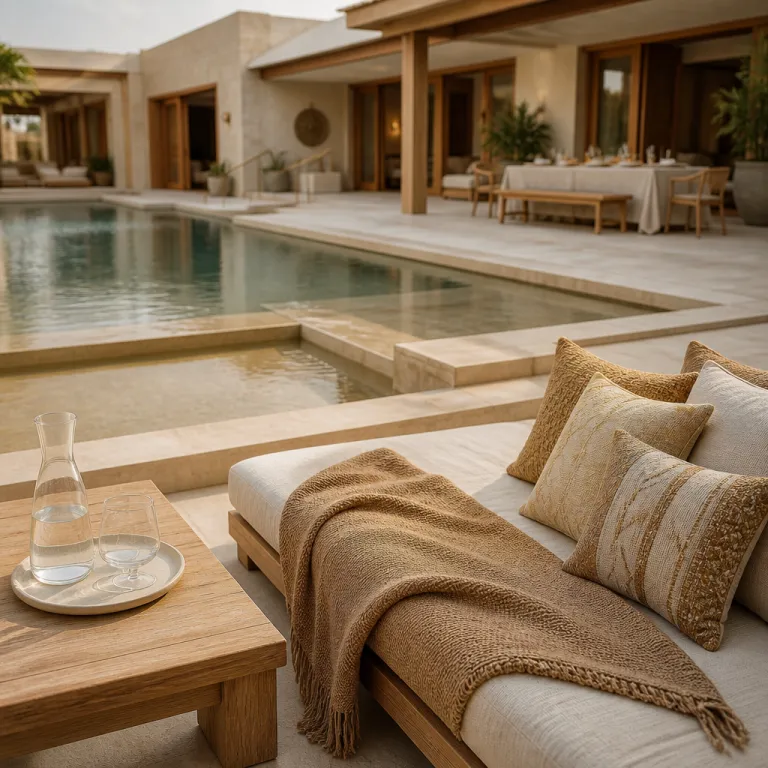
The new geometry of space in luxury resort multi-generational family travel
Luxury resort multi-generational family travel starts with space that actually works. When three generations share one resort, the accommodation geometry must respect every family member while still feeling like a single, coherent home. The best properties understand that a successful family trip depends on how easily grandparents, parents, and kids can move between privacy and proximity.
For many multigenerational families, private villas are the quiet revolution. A four bedroom villa with separate entrances, a shared pool, and a shaded terrace allows families to design each day around their own rhythms, while still meeting for breakfast or a sunset drink without crossing the entire resort. At places like Oetker Collection’s Jumby Bay Island in Antigua, villas and residences are calibrated for multigenerational travel, with ground floor suites for older guests, upper floors for younger adults, and kids rooms close enough for comfort but far enough for a genuine sense of independence.
Interconnected suites inside a main hotel building remain essential for resort families who prefer being closer to the lobby, spa, and restaurants. A thoughtful luxury configuration might pair a master suite with a twin bed room for kids and a separate junior suite for grandparents, all opening onto a shared foyer that functions as a private family lounge. This layout keeps the family friendly feeling of a shared home, yet allows each generation to retreat, reset, and return to the shared vacation with more patience and more energy.
Activity design for three generations: programming that respects different speeds
When families commit to high end resort travel with three generations, they are buying more than rooms. They are investing in activities that allow each generation to have a meaningful experience without sacrificing shared time together. The smartest resorts now design daily programming that runs in parallel, not in competition, so no one feels dragged into something they will hate.
A genuinely family friendly resort will pair a serious kids club with adult level options that feel equally considered. While kids learn to sail, cook, or track hermit crabs on the beach, grandparents might join a gentle stretching class or a heritage walk, and parents can finally take that long spa treatment or guided wine tasting they postponed for years. At Jumby Bay Island, for example, reimagined island flavors and beachside feasts sit alongside yacht excursions created with Yomira Superyachts, giving multigenerational travel parties the choice between high energy days on the water and slow, shaded afternoons by the pool.
Nature focused properties add another layer for multigenerational trips, especially when a national park or marine reserve sits nearby. A morning hike suitable for all ages, followed by a shorter, more technical trail for fitter adults, allows three generations to share the same landscape at different intensities. For inspiration on how luxury hotels think about parents and children together, it is worth reading this guide to what discerning parents actually want from luxury family hotels, then asking how a chosen resort extends that logic to grandparents as well.
The dining equation: one table, three generations, many expectations
Food is where luxury resort multi-generational family travel either shines or quietly unravels. A single table must satisfy the grandparent who values calm service, the parent who wants regional cuisine, and the child who simply needs to eat before a meltdown. When a resort gets this right, shared meals become the anchor of the family vacation rather than a daily negotiation.
Inclusive resorts have a particular advantage when they treat dining as a flexible framework rather than a rigid buffet schedule. A strong inclusive resort will offer à la carte restaurants, a relaxed beach grill, and in villa dining, so families can choose a formal evening one night and a casual poolside lunch the next day. At high performing properties, chefs will quietly adapt menus for kids, older guests, and dietary needs, ensuring that everyone will love at least one dish at every sitting without turning the table into a special request theatre.
Price plays into these choices more than many planners admit, especially when comparing an inclusive package with a pay as you go resort. For multigenerational family planners, it is worth understanding how food and beverage markups work in luxury, and this analysis of the price gap between luxury hotels abroad and at home helps frame expectations before the first course arrives. Once the financial ground rules are clear, families can relax into the ritual of long lunches, early kids dinners, and late night desserts that turn a simple family trip into a set of shared stories.
What the bill really means: value, cost, and who actually pays
Luxury resort multi-generational family travel often looks eye watering at first glance. Yet when you break the numbers down per person per day, the picture becomes more nuanced, especially for larger families. Industry research from Forbes (“Why Multi-Generational Travel Is The Hottest Family Travel Trend”, Forbes, 2023) and sector analysts such as ResearchIntelo (“Global Luxury Travel Market Size, Status and Forecast”, ResearchIntelo, 2022) suggests that high end multigenerational travel can easily reach a per person per day spend of 1 800 to 3 500 dollars, typically including accommodation, most meals, and a core set of activities, but the marginal cost per added family member often drops as villas and shared services scale.
In practice, the total bill rises sharply because three generations tend to say yes to more activities, more spa time, and more special dinners. Grandparents might quietly fund the core accommodation, while parents pick up extras such as kids club upgrades, private guides to a nearby national park, or a dedicated photographer for one golden hour on the beach. When you look beyond the headline rate, much of what you are paying for is coordination, risk reduction, and the ability to keep everyone content without constant negotiation.
To make those numbers more concrete, imagine a seven day stay for eight guests at a high end Caribbean resort. At 2 200 dollars per person per day, the total package reaches roughly 123 200 dollars, covering a four bedroom villa, three meals a day, airport transfers, non motorized water sports, and kids club access. Add three private boat days, two spa treatments per adult, and one celebratory tasting menu dinner, and the final bill can edge toward 140 000 dollars, which is why agreeing who pays for which line item matters as much as choosing the right property.
The hidden concierge: who plans multi-generational travel and how resorts should respond
Every luxury resort multi-generational family travel story has an unofficial project manager. Sometimes it is the eldest daughter, sometimes the grandparent who loves spreadsheets, and sometimes the sibling who works in travel and knows which resort will actually deliver. Whoever takes this role is effectively acting as a private concierge long before the hotel team steps in.
The best resorts now recognize this planner as a key guest in their own right, even if they are not paying the bill. Pre arrival questionnaires, video calls with the concierge, and detailed proposals that map out activities by day and by age group can transform a stressful family trip into a calm, shared vacation. When a resort offers a single point of contact for all logistics, from airport transfers to kids club registrations and restaurant holds, the planner can stop firefighting and start enjoying the experience they curated.
For complex multigenerational trips, some families now work with specialist travel advisors who understand both the emotional and financial stakes. These advisors know which inclusive resorts handle three generations gracefully, which villas have genuinely separate sleeping wings, and which hotel brands such as Ritz Carlton have the service culture to anticipate needs before they are voiced. In a sector where 27 percent of overnight leisure travel is already multi generational, according to Forbes (“Why Multi-Generational Travel Is The Hottest Family Travel Trend”, 2023) and other family travel research, the properties that support planners best will win repeat family vacations for years.
Privacy within togetherness: how the best resorts choreograph family time
The final test of luxury resort multi-generational family travel is how easily guests can be together without feeling trapped. Privacy within togetherness is not a slogan; it is a design principle that shapes everything from villa layouts to pool zoning. When resorts get this balance right, three generations can share one address without sharing every moment.
Architecturally, the most successful resorts use layered spaces to separate noise, rest, and play. A villa might place kids rooms near the media den, grandparents near the quiet garden, and parents between the two, with sliding doors that can close off each zone during nap time or early mornings. On a larger scale, resort families benefit from having an adults only pool, a family friendly pool with lifeguards and shallow areas for kids, and a calm beach section where older guests can read while still watching the rest of the family vacation unfold.
Service design matters just as much as architecture, especially for multigenerational travel in destinations like Costa Rica where activities can be intense. A good resort will stagger excursion times so that one part of the multigenerational family heads out to zip line or surf while others enjoy a slow breakfast, then reconvene for a late lunch. When a property offers pet programs such as resort paws, or thoughtful touches like early kids club opening hours, it signals an understanding that the best family travel experiences are built from dozens of small, well timed decisions rather than one grand gesture.
Where luxury resort brands are raising the bar for multi-generational families
Across the world, luxury resort multi-generational family travel is reshaping how major brands think about design and service. At the top end, Oetker Collection’s Jumby Bay Island has become a reference point for multigenerational travel, pairing private residences with curated yacht days that feel tailored to three generations sharing one horizon. In Europe, projects such as Fairmont Cheshire, The Mere, with its 157 acre estate, golf course, spa, and planned family activities, signal how new builds are being engineered for resort families from the ground up.
Legacy brands like Ritz Carlton are also recalibrating their approach to family travel, moving beyond simple kids menus toward integrated programming that respects adults and children equally. You now see villas and suites designed explicitly for multigenerational families, with flexible living rooms that can host a quiet grandparent breakfast one day and a noisy kids movie night the next. In parallel, inclusive resorts in destinations from the Caribbean to Costa Rica are refining their offerings so that inclusive no longer means generic, but instead signals a curated set of experiences that different ages will love in different ways.
For planners, the practical question is not whether to choose a resort or a hotel, but which specific property has the track record to handle multigenerational trips without friction. Look for evidence of thoughtful kids club programming, clear policies on connecting rooms, and staff who speak confidently about hosting three generations under one roof. As one industry summary from ResearchIntelo (“Global Luxury Travel Market Size, Status and Forecast”, 2022) puts it, “Amenities include private villas, diverse activities for all ages, and family-friendly dining options”, and that simple checklist remains a reliable filter when you are choosing where your next family trip should begin.
Key figures shaping luxury multi-generational resort travel
- Multi generational travel already represents 27 % of overnight leisure travel globally, underlining why so many resorts are redesigning villas and activities for three generations at once (Forbes, “Why Multi-Generational Travel Is The Hottest Family Travel Trend”, 2023).
- Estimated per person per day spend in luxury multi generational travel ranges from 1 800 to 3 500 dollars, which means a seven day family vacation for eight guests can easily exceed 100 000 dollars when activities and dining are included (ResearchIntelo, “Global Luxury Travel Market Size, Status and Forecast”, 2022).
- Resorts report rising demand for private villas, with many properties seeing double digit growth in villa bookings from multigenerational families seeking privacy within togetherness over the past few seasons (brand performance updates from Oetker Collection, Accor, and similar luxury groups).
- New developments such as Fairmont Cheshire, The Mere, with its 157 acre estate and 116 planned rooms, are being designed from the outset with family friendly facilities, reflecting the commercial importance of resort families to future revenue streams (Accor development communications and investor materials).
Frequently asked questions about luxury resorts for multi-generational families
What makes a resort genuinely suitable for multigenerational families ?
A resort that works for multigenerational families combines flexible accommodation, age diverse activities, and dining that can handle three generations at one table. Look for private villas or interconnected suites, a serious kids club, and calm adult spaces such as a spa or quiet pool. When staff can describe specific experiences for grandparents, parents, and kids, you are usually in safe hands.
How much should we budget per person for a luxury multi generational trip ?
For high end properties, a realistic budget for luxury resort multi-generational family travel is between 1 800 and 3 500 dollars per person per day, including accommodation, meals, and core activities. The per person rate often drops slightly as more family members share a villa, but the total bill rises because three generations tend to book more experiences. Clarify who is paying for what before you confirm the hotel, so there are no surprises during the family vacation.
Is an inclusive resort better value than paying à la carte for a family trip ?
An inclusive resort can offer better value for multigenerational trips when your family eats most meals on property and plans to join many activities. Inclusive pricing makes it easier to predict the final bill and reduces friction at the table when ordering. However, if your group prefers independent restaurant exploration or only a few organized activities, a non inclusive hotel with strong local dining options may be more efficient.
How early should we start trip planning for three generations ?
For peak seasons, start trip planning at least nine to twelve months in advance, especially if you want specific villas or suites that work well for three generations. Early planning gives you access to the best room configurations, private guides, and activity slots at kids club or spa. It also allows time for the resort concierge or your travel advisor to build a tailored itinerary that balances shared experiences with private time.
Why choose a luxury resort instead of a rental home for a multigenerational family vacation ?
A luxury resort offers professional staff, structured activities, and safety nets that a standalone rental home rarely matches. Families gain access to kids clubs, guided excursions to nearby attractions such as a national park, and on site medical support, all of which reduce stress for the planner. For many multigenerational families, that combination of service, security, and shared amenities is exactly what the investment is meant to buy.