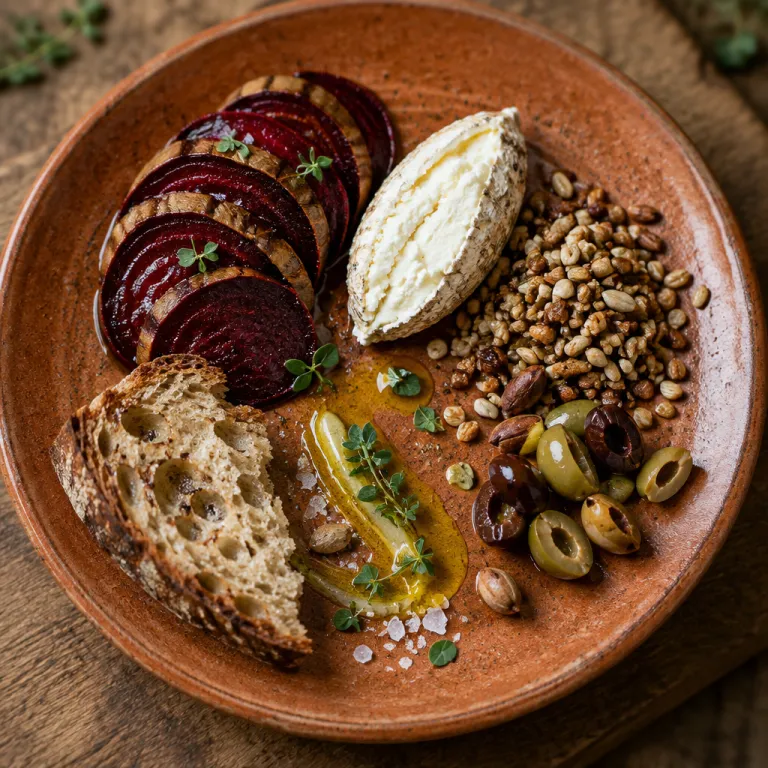
When the farm shapes the stay, not just the menu
A true farm to table luxury hotel starts with the land itself. The property is usually anchored by a working farm where agricultural teams grow, raise, and forage the food that defines the guest experience. You are not just booking a hotel; you are booking into a living food landscape that runs from soil to table and turns the entire estate into a terroir driven stay.
On these estates, the farm is not a scenic backdrop but an operating system. The land is mapped into gardens, orchards, olive groves, and pasture, and every square metre has a culinary purpose that supports both the restaurant and the rooms and suites. When couples walk the garden before dinner, they see the exact table ingredients that will appear later, which turns a simple stay into a narrative about place and season rather than a generic resort experience.
The best farm to table luxury hotel properties treat food as the central storyline. A chef leads guests through the working plots, explaining how farming choices, regenerative agriculture practices, and local food systems influence flavour and texture. At several benchmark properties, teams will tell you that 60–80% of produce in peak season comes from the estate itself, with the rest sourced within a 50 to 100 mile radius. By the time you sit at the table for dinner, the experience feels less like a hotel meal and more like being invited into a private estate where the farm, the kitchen, and the land are in constant dialogue.
How to tell real farm to table from marketing gloss
For couples planning a trip around a table, the honesty test matters. A genuine farm to table luxury hotel will name its producers, show its working farm, and happily walk you through how the food moves from soil to plate. If a property hides its agricultural reality behind vague language, the experience will rarely match the promise, no matter how often the phrase “farm to fork” appears on the website.
Look for hotels that publish seasonal menus with specific farms, cooperatives, and fishing boats listed beside each dish. When a hotel describes its own farm stay programme, it should explain what actually runs on site, from compost systems to seed saving, rather than just mentioning a garden in passing. Serious table hotels also talk openly about closed loop ambitions, outlining how they reduce waste, reuse water, and return nutrients to the land, sometimes even sharing metrics such as the percentage of organic waste that is composted back into the soil.
Before you book, email the hotel and ask direct questions about the farm, the estate, and the food systems that support the kitchen. A confident chef or general manager will answer with detail about harvest timing, preserving, and how many kilometres the average ingredient travels to reach your table. For example, some teams will state that 90% of ingredients come from within a 100 mile plate radius in high season, dropping slightly in winter. If the replies stay generic, you are probably not looking at the best farm expression of terroir, no matter how polished the rooms and suites may appear online.
Where terroir becomes the itinerary: from garden rows to the plate
At the top tier of hospitality, the farm to table luxury hotel has turned terroir into the reason to travel. Your days are structured around the land, from early garden walks to late night table dining that reflects what was picked that morning. Couples who plan a stay around a table will find that the most memorable moments often happen between the rows of vegetables, not under the chandeliers, and that the 100 mile plate becomes a daily ritual rather than a marketing slogan.
In South Africa, properties such as Babylonstoren show how a working farm can anchor a deeply luxurious hotel experience. The estate stretches across vineyards, orchards, and a formal garden, and the farm runs year round to supply multiple restaurants with organic produce, herbs, and fruit. Guests move constantly between land and table, tasting the same peach in the orchard, in a chilled soup at lunch, and in a delicate dessert at dinner, with staff explaining how much of the menu is grown within sight of the dining room.
Across Europe, places like São Lourenço do Barrocal in Portugal or Finca Serena in Spain use their land and olive groves to define the rhythm of a farm stay. At São Lourenço do Barrocal, the agricultural heritage of the estate shapes everything from the architecture to the food, while Finca Serena builds its table dining around Mediterranean gardens and nearby farms. Italy’s Borgo Egnazia offers another angle, with a village style estate that weaves farming traditions, local food systems, and coastal ingredients into a highly polished luxury stay. When you choose these hotels over more conventional city properties, you are choosing to let terroir dictate your itinerary, much as you might when timing a trip for the quieter shoulder seasons highlighted in guides to the world’s best hotels after summer.
Chef residencies, Michelin ambitions, and the 100 mile plate
The modern farm to table luxury hotel is increasingly built around the kitchen rather than the spa. Chef residencies, long term collaborations, and terroir focused menus have turned the restaurant into the primary booking trigger for many couples. You are no longer asking whether the hotel has a good restaurant; you are asking whether the restaurant has built the right hotel around it, and whether the entire estate supports a truly local, farm to fork philosophy.
Blackberry Farm in Tennessee is a benchmark for this food first model, with a working farm that supports a serious cellar and a table that draws guests back year after year. The property’s farm table philosophy has inspired other hotels to treat agricultural work, foraging, and preserving as core parts of the guest experience rather than backstage operations. When a chef can walk you from the garden to the kitchen and then to your seat, the 100 mile plate stops being a slogan and becomes a measurable reality, often backed by sourcing data shared during tastings or farm tours.
Many of these properties now aim for Michelin or already host Michelin starred teams, but the most interesting stories sit beyond the star count. A Ritz Carlton outpost might partner with nearby farms to tighten its radius, while independent table hotels on the Condé Nast Traveler Gold List lean into closed loop systems and regenerative agriculture to stand out. For couples comparing options, it is worth reading in depth hotel guides to amenities and booking policies, because the most serious food programmes are usually proud to explain how their land, their estate, and their farming partners shape every course, sometimes even quoting chefs or GMs on why they prioritise soil health over imported luxuries.
Global benchmarks: from South Africa to Iberian estates
Some destinations have become shorthand for the farm to table luxury hotel because the land does so much of the talking. In South Africa, several wine country hotels operate as working farms first and hospitality brands second, with Babylonstoren again a reference point. The garden there is not ornamental; it is a living pantry that structures the daily menus and the guest experience, and images of the estate often highlight vegetable rows and orchards rather than only pools or suites.
On the Iberian Peninsula, São Lourenço do Barrocal and Finca Serena show how historic estates can evolve into contemporary farm stay destinations without losing their agricultural soul. São Lourenço do Barrocal spreads its rooms and suites across whitewashed farm buildings, and the land around them still supports vines, orchards, and grazing animals. At Finca Serena, the olive groves and gardens frame long lunches where the table dining celebrates both on site produce and ingredients from neighbouring farms, a model that many newer farm to table hotels now cite as inspiration.
Italy’s Borgo Egnazia offers another angle, with a village style estate that weaves farming traditions, local food systems, and coastal ingredients into a highly polished luxury stay. Couples who care about terroir can use these properties as benchmarks when assessing newer openings in second city destinations, where luxury hospitality is quietly shifting and where land based experiences are becoming a differentiator. When you see a hotel investing in soil health, seed diversity, and long term relationships with producers, you are usually looking at a place where the table will justify the journey and where a terroir driven stay is more than a passing trend.
How to choose your own terroir driven stay
For a couple planning a romantic escape, the challenge is turning all this theory into a smart booking decision. Start by asking whether the hotel describes itself as a farm to table luxury hotel in a way that feels specific, with clear references to the farm, the garden, and the land. If the language stays generic, you may be looking at a decorative herb patch rather than a working farm, and the farm to table promise may not extend much beyond breakfast.
Next, examine how the property talks about its food systems, its agricultural partners, and any regenerative agriculture or closed loop ambitions. A serious estate will usually share maps of the land, details of its farm stay activities, and explanations of how the farm runs across seasons. When rooms and suites descriptions mention proximity to the garden, the orchards, or the olive groves, that is often a sign that terroir is central rather than incidental, and that the 100 mile plate is supported by real logistics rather than wishful thinking.
Finally, consider whether you are the right audience for this style of hotel, because a terroir driven stay is immersive. You will likely spend as much time in boots as in slippers, moving between farm table breakfasts, foraging walks, and long table dining experiences that stretch late into the evening. If that sounds like your idea of luxury, then the 100 mile plate is not a trend; it is the reason you will return to the same property, the same land, and often the same table, year after year.
FAQ
What defines a genuine farm to table luxury hotel?
A genuine farm to table luxury hotel is built around a working farm or a network of closely linked producers, not just a marketing phrase on the menu. The property usually has its own garden, orchards, or agricultural land that supplies a significant share of the restaurant’s ingredients. You should be able to see, visit, and understand the farm systems that feed your table, and staff should be able to explain what percentage of the menu comes from on site or within a defined local radius.
How can I check if a hotel really sources locally before booking?
Start by reading the restaurant pages to see whether specific farms, fisheries, or cooperatives are named. Then email the hotel with direct questions about their farm, their estate, and how far most ingredients travel to reach the kitchen. Serious terroir driven hotels answer with concrete details about harvests, seasons, and producers rather than generic sustainability statements, and may even share average ingredient distances or examples of dishes that change weekly based on what the farm delivers.
Are farm based luxury hotels suitable for a romantic couple’s trip?
For many couples, a farm based luxury hotel is ideal because it combines quiet landscapes with memorable food. Days can be structured around tastings, garden walks, and long table dining, which creates shared experiences beyond standard sightseeing. If you both enjoy food, wine, and time outdoors, this style of stay can feel particularly intimate, especially when you are tasting ingredients grown a short walk from your suite.
Do farm to table hotels always have Michelin starred restaurants?
Some farm to table hotels host Michelin starred chefs or aim for that level of recognition, but many excellent properties choose not to chase stars. What matters more is the integrity of the sourcing, the clarity of the flavours, and the way the menu reflects the land around the hotel. A simple plate of vegetables from a nearby field can be as memorable as any elaborate tasting menu when the terroir is respected and the 100 mile plate philosophy is taken seriously.
What should I pack for a stay on a working farm estate?
Pack comfortable shoes suitable for walking through gardens, vineyards, or fields, along with clothes that can handle a bit of dust or mud. You will still want elegant outfits for dinner, because many of these hotels maintain a refined atmosphere in their dining rooms. A light jacket or layer is useful for early morning farm tours or late evening strolls back from the table, and if you plan to join foraging walks or vineyard visits, consider bringing a hat and small day bag as well.