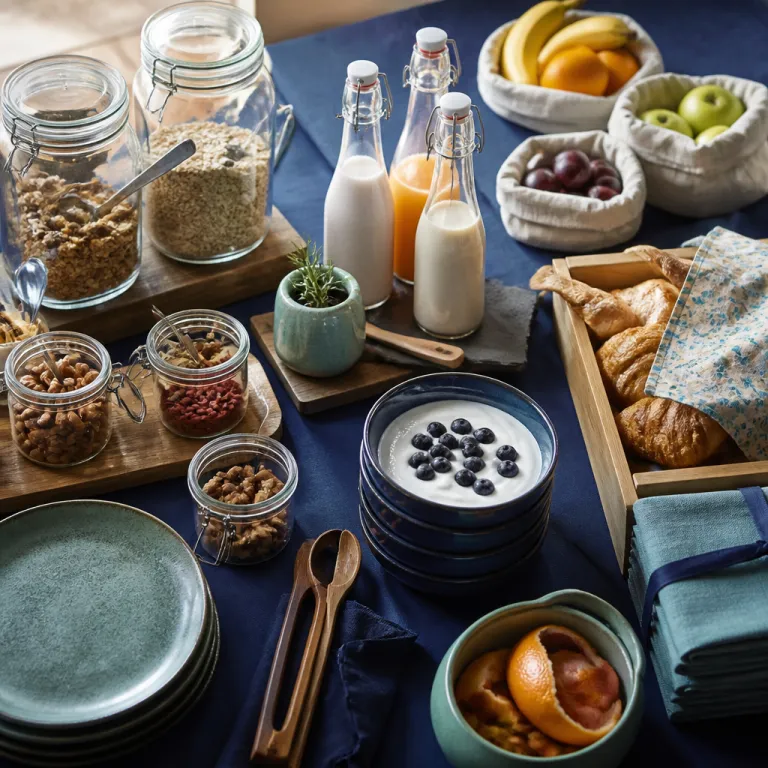
The hidden cost of abundance at the luxury breakfast buffet
The classic luxury hotel breakfast feels limitless, yet that sense of abundance hides a serious waste problem. In many luxury hotels, the breakfast buffet generates more food waste in a few hours than some restaurants create in an entire day, because the system is designed around visual excess rather than measured appetite. When you multiply that plate waste across hundreds of guests and thousands of properties, the environmental impact becomes impossible for the hospitality industry to ignore.
Behind the scenes, chefs and management teams see trays of untouched food return to the kitchen, where much of it must be discarded for safety reasons. Even when hotels restaurants track some waste data, the real volume of waste food often remains underestimated, because staff rarely have time for precise waste tracking during peak breakfast service. This is why serious waste management and structured waste reduction programs now sit alongside spa menus and pillow menus as non negotiable features in leading luxury hotels.
The structural problem starts with the traditional breakfast buffet layout, which encourages guests to over serve and then leave plate waste behind. Large platters of perishable products such as cut fruit, pastries and dairy items must be refreshed constantly to maintain a perfect look, which drives both food waste and unnecessary plastic packaging behind the scenes. For families, the issue is amplified, as parents often overestimate what each child will eat, then feel guilty watching staff clear half eaten food from the table.
Designing a zero waste breakfast without losing the sense of luxury
Forward thinking hotels are proving that zero waste principles can coexist with a lavish breakfast experience. Instead of endless rows of uncovered dishes, you now see compact breakfast buffet islands, live cooking stations and à la minute preparation that reduce waste while keeping the guest experience indulgent. The most advanced properties use detailed data from previous occupancies to predict demand by time slot, guest profile and even weather, which allows them to reduce food overproduction without guests ever noticing.
Live egg stations, crêpe counters and made to order waffles let the kitchen team prepare only what is actually requested, which dramatically cuts food waste and plate waste. Smaller batch rotations mean that trays are refilled more often with fresher products, rather than being overfilled once and then partially discarded, which supports both hygiene and sustainability goals. For families, this approach also helps reduce waste food from children’s plates, because portions can be adjusted on the spot and staff can suggest half servings for younger guests.
Some luxury hotels now invite each guest to pre select breakfast items through the app or at check in, which gives the kitchen a precise forecast and supports meaningful waste reduction. This model works especially well for high occupancy resorts and large hilton style properties, where even a modest percentage of reduction in overproduction translates into significant environmental impact savings. If you are comparing the best sites for five star resorts and luxury booking platforms, look for properties that explain how they reduce waste at breakfast, because that level of transparency signals serious sustainability, not marketing gloss on curated luxury booking platforms for discerning travelers.
From farm to plate: local sourcing and family friendly morning rituals
Zero waste luxury hotel breakfast sustainability starts long before the first guest arrives at the buffet. The most credible eco friendly properties now define a clear radius for sourcing key breakfast ingredients, working with local farmers, millers and roasters to shorten supply chains and reduce transport related emissions. This farm to plate approach also allows hotels to adjust orders quickly when occupancy changes, which helps reduce food surpluses before they even reach the kitchen.
For families, local sourcing turns breakfast into a quiet geography lesson, as children taste honey from nearby hives, seasonal fruit from regional orchards and bread baked with local grains. Parents who care about sustainability appreciate when hotels explain where their food comes from, how they manage food waste and which partners help them with composting or food donation. When you are choosing how to book luxury eco friendly hotels for a sustainable and elegant stay, pay attention to how clearly each hotel describes its breakfast buffet sourcing and waste management strategy in guides to booking sustainable luxury stays.
Children’s habits require special attention, because young guests often take more than they eat when faced with a colourful buffet. Smart hotels respond with child height stations, smaller plates and playful tasting portions that encourage curiosity without driving unnecessary waste. In these properties, zero waste is not a restriction but a design principle that shapes the guest experience, from the first glass of local juice to the last crumb of warm pastry.
Behind the scenes: tracking, composting and upcycling what remains
Even the most efficient zero waste breakfast operation will generate some leftovers, and what happens next defines the real depth of a hotel’s sustainability commitment. Leading properties now use digital tools for precise waste tracking, weighing and categorising every tray that returns to the kitchen to understand patterns in plate waste and buffet leftovers. Over time, this data allows management to refine menus, adjust portion sizes and reduce waste food without compromising choice.
Many luxury hotels partner with certified composting facilities or on site biodigesters, turning unavoidable food scraps into energy or nutrient rich compost for local agriculture. Others work with organisations that specialise in safe redistribution, so untouched surplus food can support community programmes instead of adding to landfill, which meaningfully reduces environmental impact. In both cases, transparent communication with guests builds trust, especially when families can see clear explanations of how waste reduction and waste management work in practice.
Packaging is another frontier, as hotels phase out single use plastic from yoghurt pots, condiments and takeaway cups in favour of refillable dispensers and reusable containers. Certifications such as Green Key and collections like Green Pearls often require evidence of concrete waste reduction measures, from zero waste breakfast buffet concepts to responsible sourcing of products. For travellers using world best stay style platforms to compare the new geography of hospitality, these labels offer a quick way to identify hotels that treat sustainability as an operational discipline, not a decorative slogan within the evolving luxury hotel landscape.
How families can choose and shape a zero waste luxury breakfast
For travelling families, the most powerful lever is choosing hotels that treat zero waste luxury hotel breakfast sustainability as a core value. When you review options, look for clear explanations of how the hotel manages food waste, whether it uses waste tracking technology and how it trains the kitchen équipe to reduce waste at every step. Properties that share specific data about waste reduction, rather than vague promises, usually have stronger systems and more engaged staff.
Once on site, small choices from each guest can significantly reduce waste without diminishing pleasure. Ordering eggs or pancakes from a live station instead of loading the plate at the buffet helps the kitchen reduce food overproduction, while starting children with smaller portions and encouraging second helpings only if they are still hungry cuts plate waste. Many hotels restaurants now invite families to support pledge food initiatives, where guests commit to taking only what they will eat, turning sustainability into a shared ritual rather than a lecture.
For parents, the most reassuring sign is when sustainability feels seamlessly integrated into the guest experience, rather than imposed as a constraint. You might notice elegantly designed signage that explains zero waste principles, or staff who gently suggest half portions for younger guests while still treating them with respect. In these moments, luxury is not about excess, but about thoughtful hospitality that aligns comfort, taste and responsibility in a way that makes you want to return every year to the same breakfast table.
FAQ
How much food does a typical luxury hotel breakfast buffet waste ?
Volumes vary by property, but traditional buffet models can see more than a quarter of prepared food return to the kitchen as waste. The most significant losses usually come from perishable items such as cut fruit, pastries and dairy products that must be refreshed frequently for visual appeal. Hotels that implement waste tracking, smaller batch cooking and live stations often cut this waste by double digit percentages while maintaining a generous guest experience.
Can a zero waste breakfast still feel luxurious for families ?
Yes, when designed well, zero waste breakfast concepts often feel more luxurious, not less. Made to order dishes arrive hotter and fresher, while curated selections of high quality local products replace anonymous piles of average food. For children, smaller plates, tasting portions and interactive stations create a playful ritual that feels indulgent yet aligns with family values around sustainability.
What should I look for when booking a hotel with strong breakfast sustainability ?
Focus on transparency and specifics rather than slogans. Serious hotels explain how they manage food waste, whether they use composting or donation programmes, and how they reduce plastic and packaging at breakfast. Certifications such as Green Key or membership in collections focused on sustainable hospitality can also signal that waste reduction and environmental impact are taken seriously.
How do hotels handle leftover food from the breakfast buffet ?
Best practice is to separate untouched surplus suitable for donation from food that must be composted or processed through biodigesters. Many hotels now partner with local charities or food banks for safe redistribution, while unavoidable scraps are turned into energy or compost for agriculture. Properties that communicate this chain clearly help guests understand that zero waste is a process, not an overnight transformation.
How can my family personally help reduce breakfast waste during our stay ?
Start with smaller portions, especially for children, and encourage second helpings only if plates are finished. Choose live cooking stations or à la carte options when available, because these formats allow the kitchen to prepare exactly what is needed. Finally, support any pledge food initiatives or gentle reminders from staff, treating zero waste as part of the shared culture of respectful, modern luxury hospitality.