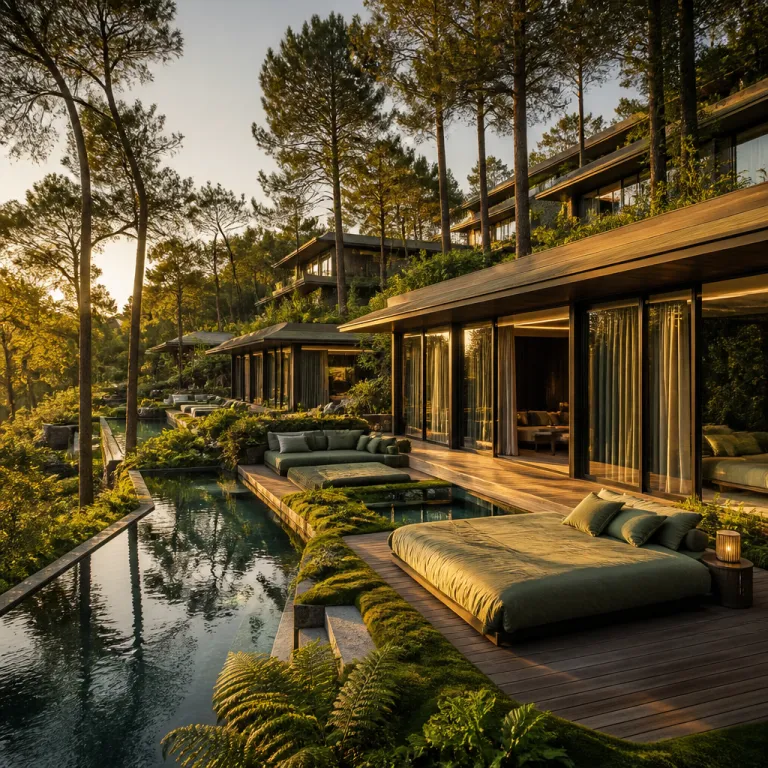
Why sleep is the new measure of luxury hospitality
In high end hospitality, the real benchmark is no longer the lobby spectacle but the depth of your night sleep. Luxury travelers now judge a hotel by how precisely it is designed to deliver restorative sleep and how consistently it can repeat that experience across rooms and stays. When you book through a premium platform, the smartest filter you can apply is not just stars or spa access but whether the property treats sleep as a core wellness promise rather than a decorative amenity.
Sleep tourism has moved from niche curiosity to a central pillar of global wellness travel, and couples planning a romantic escape increasingly ask detailed questions about sleep quality before they comment on the view. The Global Wellness Institute estimates that wellness tourism reached more than $900 billion in 2022, with sleep and recovery programs among the fastest growing segments, which helps explain this shift in priorities (Global Wellness Institute, 2023). When a hotel invests in cutting edge sleep engineering, from circadian lighting to advanced soundproofing, it signals a deeper philosophy about caring for the mind body system of its guests. That philosophy shapes everything from the choice of bedding to the way staff manage late night arrivals, and it will quietly define whether you leave feeling true deep rest or just pleasantly tired.
Data from the American Academy of Sleep Medicine suggest that roughly one in three adults regularly fails to achieve restorative sleep in the United States alone, which explains why wellness tourism packages now foreground sleep well guarantees rather than vague relaxation claims (American Academy of Sleep Medicine, 2021). Properties that take this seriously design rooms to promote relaxation first and Instagram moments second, and they train équipes to protect silence as carefully as they pour Champagne. For travelers using a specialist luxury booking resource, a hotel’s sleep design and night time comfort become the most reliable proxy for overall guest experience, because a property that engineers better sleep usually excels in every other detail that matters.
The science of a perfect hotel bed and room
The most obvious layer of a luxury sleep experience is the bed itself, yet the best hotels treat bedding as technical equipment rather than soft decoration. Top tier properties now work with sleep scientists and wellness companies to specify mattress density, pillow loft, and breathable natural fibers that maintain ideal temperature through the entire night sleep. Many premium rooms now feature medium firm mattresses in the 6–7 range on the standard firmness scale, paired with 300–600 thread count cotton or Tencel sheets to balance softness and temperature regulation. When you read a room description, look for language about specialized bedding systems, because that is often a reliable sign that the hotel has gone beyond generic five star claims.
Equinox Hotels has become a reference point here, pairing high performance mattresses with rooms designed promote deep sleep through circadian lighting and meticulous blackout curtains. Their standard Equinox Sleep System bed, for example, combines a custom coil mattress with a breathable pillow top and a curated pillow menu that includes both down and hypoallergenic options. Wyndham Hotels offers Stay Well rooms that integrate air purification, aromatherapy, and light control to enhance sleep quality, showing how mainstream brands can still deliver serious wellness benefits. These programs sit within a broader movement toward integrated wellness tourism, where hotel sleep strategies are aligned with spa menus, fitness coaching, and in room recovery tools to support the whole mind body continuum.
For couples comparing properties on a premium booking website, it is worth reading beyond the headline spa description and into how the room is engineered for quiet, darkness, and thermal comfort. Look for notes about soundproofing, window glazing, and independent climate zones, because these details will influence whether you achieve deep rest or wake repeatedly. Some new build luxury hotels now target interior noise levels below 30 decibels at night, a threshold associated with better sleep continuity in clinical studies (Basner & McGuire, 2018, Sleep). To understand how a full wellness program should look around that bed, study a benchmark guide to what a world class hotel wellness program actually looks like on world-best-stay.com, then use that framework to evaluate how seriously each property treats sleep as part of its global wellness strategy.
Circadian lighting, blackout engineering, and the art of darkness
Light is the quiet architect of every sleep experience, and the most advanced hotels now treat it with almost clinical precision. Circadian lighting systems shift color temperature and intensity across the day, helping travelers recalibrate their internal clocks after long haul flights and preparing the brain for deep sleep without guests needing to think about it. Research published in journals such as Sleep has shown that exposure to warmer, dimmer light in the evening supports melatonin production, which in turn improves sleep onset and perceived restfulness (Gooley et al., 2011, Sleep). When a room is designed promote this kind of biological alignment, you feel drowsy at the right time and wake with less grogginess, even after crossing several time zones.
Equinox Hotels has built its reputation on such cutting edge control, using circadian lighting scenes that support both performance and restorative sleep within the same space. Some luxury properties pair these systems with rigorous blackout curtains that seal out city glare, while others add subtle night lights at floor level so guests can move safely without jolting the mind body system awake. The best hotel room configurations allow you to fine tune every source of light, from reading lamps to bathroom strips, so your night sleep becomes a personalized sleep ritual rather than a compromise with the room.
When choosing where to stay, ask explicitly about blackout curtains, dimming ranges, and whether the control panels are intuitive enough to manage in the dark. A hotel that has invested in thoughtful lighting usually also pays attention to acoustic insulation and air quality, which together promote relaxation and better sleep for sensitive travelers. If you care about the full arc from dusk to dawn, pair this assessment with a careful look at pillow options using a specialist guide to choosing the best hotel pillows for a luxury level sleep on world-best-stay.com, because light and pillows together will largely determine whether you sleep well or simply lie down in a beautiful room.
Rituals, spa programs, and the pre sleep hour
The hour before bed is where luxury hotel sleep experience optimization becomes tangible, because this is when design meets behavior. Leading wellness brands such as Six Senses and Aman choreograph that final sixty minutes with spa rituals, herbal infusions, and guided breathing that promote relaxation without feeling prescriptive. At several Six Senses properties, for example, guests receive a dedicated sleep amenities kit with eye masks, calming pillow mists, and simple stretching guidance to use before turning out the lights. These experiences are designed promote a gentle descent into deep rest, aligning the mind body connection so that guests slip into sleep rather than chase it.
Still—Room, a specialist wellness company, develops in room protocols that combine light, sound, and scent to support restorative sleep for travelers who may arrive overstimulated from airports and meetings. Some hotels integrate these protocols with their spa offerings, allowing couples to move from a hydrotherapy circuit to a quiet lounge and then into a room already set with calming aromatherapy and lowered circadian lighting. When such programs are executed with care, the spa becomes less about indulgence and more about structured wellness tourism, where every touchpoint is calibrated to improve sleep quality and overall guest experience.
As you compare hotels on a premium booking platform, look beyond generic spa language and search for specific references to sleep well rituals, in room stretching guides, or partnerships with wellness experts. Properties that treat the pre sleep window as a designed journey usually also train their équipes to minimize late night corridor noise and streamline check in so your first hours on site are calm. For couples investing in a special trip, this attention to the pre sleep hour will often matter more than an extra restaurant, and it is worth reading detailed reviews rather than a single glowing post or superficial comment before you sign off on a reservation.
Sound, wake up design, and the economics of engineered rest
Silence is expensive to build, which is why sound engineering has become a quiet status marker in true luxury hotels. High quality acoustic insulation, door sweeps, and vibration control cost more than marble, yet they do more to secure deep sleep and better sleep for light sleepers. In practice, this can mean double or triple glazed windows, insulated corridor walls, and solid core doors that together can reduce external noise by 20–30 decibels compared with older buildings. Some properties add curated white noise options or gentle soundscapes, but the real luxury is when you barely notice other guests at all because the building itself is designed promote calm.
The morning side of the equation matters just as much, and thoughtful hotels choreograph wake up experiences that respect the mind body rhythm rather than assault it. Gradual circadian lighting, soft chimes instead of harsh alarms, and breakfast service that aligns with your personalized sleep schedule all contribute to a more coherent guest experience. Sleep concierges, where they exist, can coordinate these elements, advising on pillow choices, ideal room orientation, and even spa timings to support restorative sleep across your stay. One luxury general manager recently described this role as “a blend of butler, wellness coach, and engineer,” reflecting how multidisciplinary true sleep support has become.
From a value perspective, paying for this level of engineering often delivers more lasting wellness than another ornate lobby or oversized television. If you want to understand how your rate reflects these hidden investments, study an analysis of the real cost of a luxury hotel night on world-best-stay.com and then apply that lens to properties that prioritize hotels sleep programs. When a hotel commits to luxury hotel sleep experience optimization through serious infrastructure, guests will usually leave with a calmer nervous system, a clearer mind, and a stronger desire to return, which is the most reliable sign that the investment has been worth it for everyone involved.
How to choose a hotel for truly restorative sleep
Selecting a property for restorative sleep starts with reading between the lines of marketing language and focusing on measurable details. Look for explicit references to blackout curtains, circadian lighting, specialized bedding, and partnerships with recognized wellness companies, because these are concrete indicators of luxury hotel sleep experience optimization rather than vague promises. When hotels mention collaborations with sleep scientists or brands like Equinox Hotels and Still—Room, you can usually expect a more serious approach to both night sleep and daytime relaxation.
Before you book, contact the hotel directly and ask targeted questions about room orientation, noise exposure, and whether they offer any personalized sleep amenities such as pillow menus or tailored turndown rituals. Serious wellness properties will respond with specific information rather than generic assurances, and they may even suggest particular room categories that promote relaxation and deep rest for couples. This level of dialogue also reveals the maturity of the hospitality culture on site, because teams trained around sleep quality tend to handle every guest interaction with a calmer, more attentive energy.
Once you arrive, treat the room as a sleep shop in the best sense, experimenting with light settings, temperature, and bedding combinations until you find your ideal configuration. Use spa facilities strategically, timing treatments to support your mind body wind down rather than filling every hour with activity, and pay attention to how your body feels on waking as the ultimate metric of success. When a hotel delivers consistently restorative sleep across several nights, you have found more than a place to stay; you have located a partner in your long term wellness journey, and that is the rarest form of luxury in global hospitality today.
FAQ
What is sleep tourism in the context of luxury hotels ?
Sleep tourism refers to travel planned specifically to improve sleep quality through specialized hotel programs and environments. In luxury properties, this often includes circadian lighting, advanced bedding, spa rituals, and personalized sleep coaching integrated into a broader wellness offering. Travelers choose these hotels to achieve restorative sleep that they struggle to access in their daily lives, making rest the primary purpose of the trip rather than a by product.
How do hotels practically enhance sleep quality for guests ?
Hotels enhance sleep quality by combining design, technology, and service protocols that support the full sleep cycle. Common measures include high quality mattresses and pillows, blackout curtains, soundproofing, and precise temperature control, often supported by circadian lighting and aromatherapy. Some properties add sleep concierges, wellness apps, and in room rituals to guide guests toward deep sleep and smoother wake ups.
Which hotel brands are currently leading in sleep focused programs ?
Equinox Hotels is widely recognized for its sleep focused rooms that integrate circadian lighting, advanced bedding, and performance oriented recovery tools. Wyndham Hotels offers Stay Well rooms that combine air purification, light control, and wellness amenities aimed at better sleep for a broader audience. Other high end properties, including several wellness resorts, now collaborate with companies like Still—Room to refine in room protocols around light, sound, and scent.
What should couples ask before booking a hotel for a sleep centered stay ?
Couples should ask about mattress type, pillow options, and whether rooms have full blackout curtains and robust soundproofing. It is also worth inquiring about spa programs or rituals designed to promote relaxation before bed, as well as any personalized sleep services such as turndown enhancements or tailored lighting scenes. Clear, specific answers usually indicate that the hotel treats sleep as a serious part of the guest experience rather than a marketing slogan.
Are sleep optimization programs really worth the higher room rate ?
For many travelers, especially those with demanding schedules or chronic fatigue, sleep optimization programs justify a higher rate because they deliver tangible wellness benefits. A stay that provides consistent deep rest can improve mood, cognitive performance, and relationship quality long after checkout, which many couples value more than extra square meters or decorative luxuries. When evaluating price, consider how much you would otherwise spend on wellness treatments or lost productivity, and weigh that against a hotel that reliably helps you sleep well.